Tag: sanskrit translation
-

ल्येतुवा-देशात् तृणमणि-विषय एकाऽऽख्यायिका
पूरा त्वाकाशे सूर्यौ द्वावेवास्ताम् ।
-

Ethics in the Upanishads
Literature from across the world engages with ethical questions and moral quandaries, and plays a role in cultivating our moral sensibilities. Religious literatures often present ethical teachings indirectly, such as in the form of parables, or more directly, such as moral commandments. In the Upanishads of late Vedic India, we find both ethical and metaphysical…
-
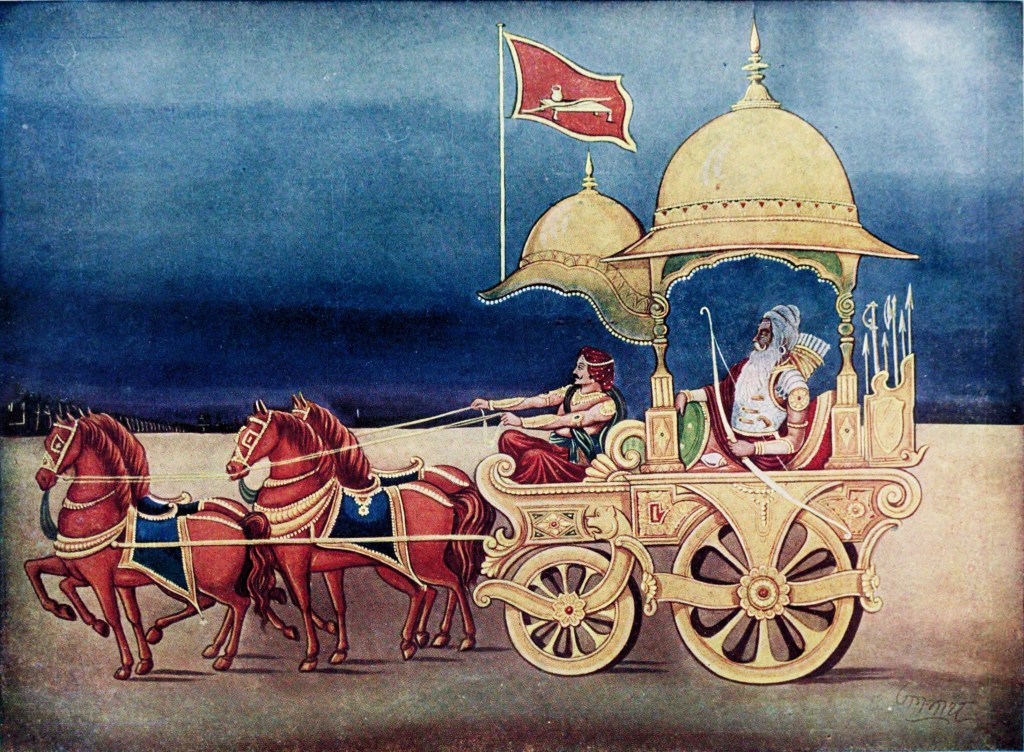
On war in Ukraine and in the Mahabharata
In the ancient Indian epic Mahābhārata, we read about a shocking and devastating war at Kurukṣetra that seems to have many parallels with the ongoing war in Ukraine. In this summary of some key points about the Kurukṣetra war, we may perhaps find some revealing similarities.
-
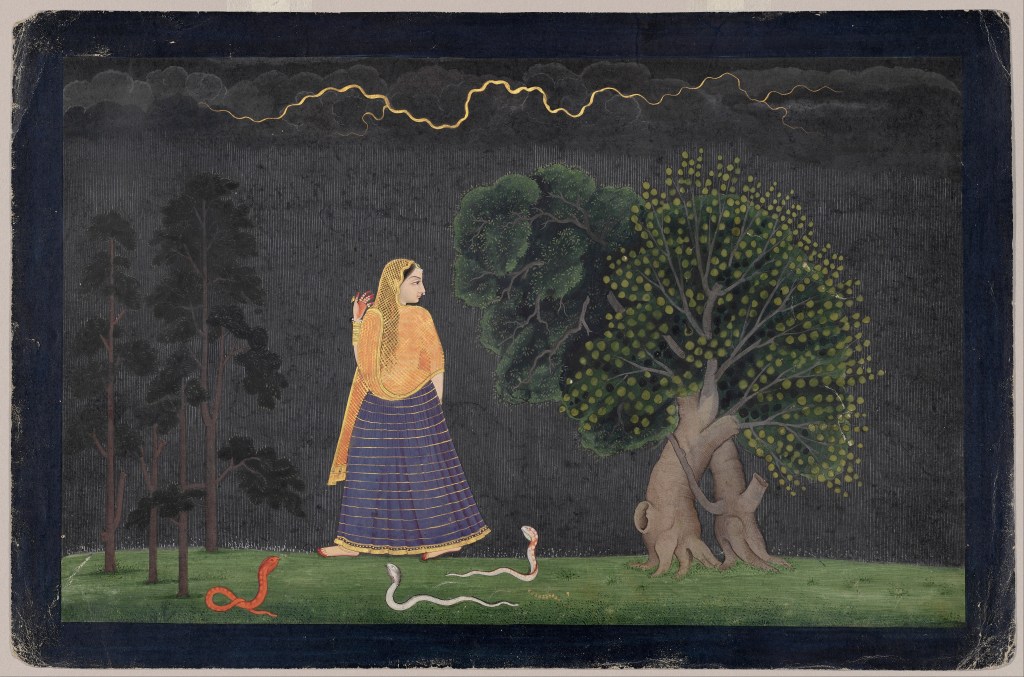
Trysts by night in art and poetry
The painting above, by one of the great Indian artists of the late eighteenth century, Nainsukh, depicts such a scene. Our paramour sneaks away from her home by night to a spot in the forest where she has arranged to meet her lover during the night, and she must be back before anyone awakes and…
-
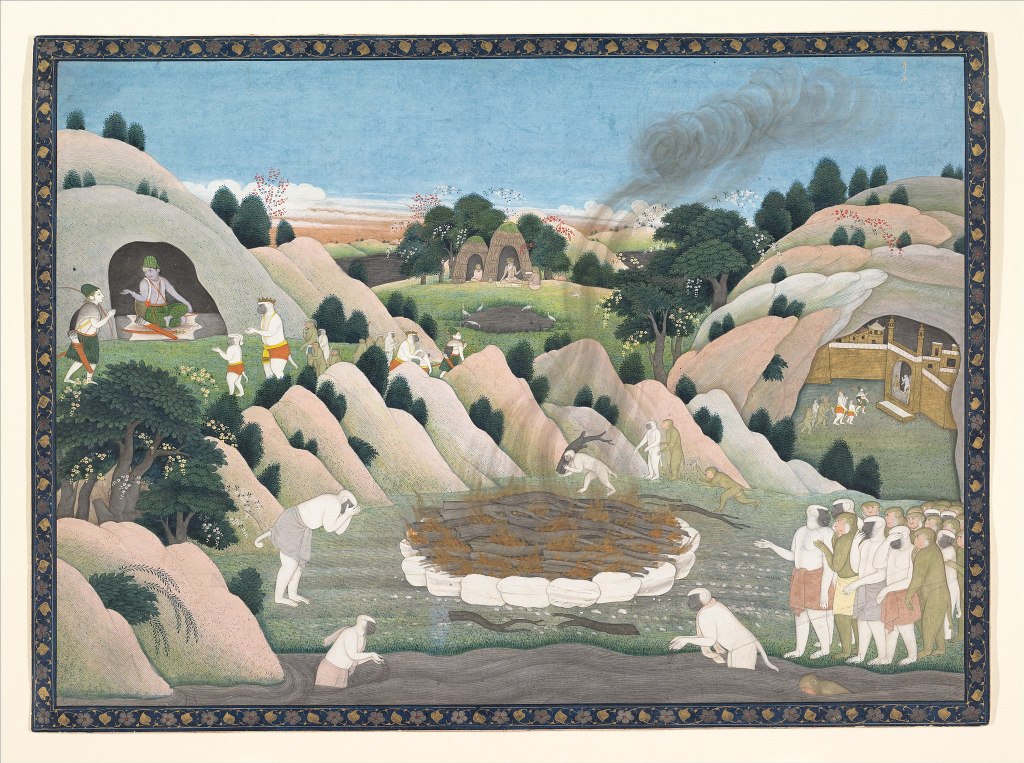
Love, death and Sanskrit literature
In romantic literature across the world, we frequently read about lovers who would die rather than be apart. In the story of Pyramus and Thisbe, Pyramus kills himself, believing Thisbe to be dead. When Thisbe finds the dead body of Pyramus, she also kills herself. Romeo and Juliet, based on this story, and many other…
-

On craft-worker gods and heroes
For ancient as well as modern people, God has been conceived of in a bewildering variety of ways. At one extreme, we see a wholly abstract and ineffable power, such as the Advaitic conception of Brahman, and on the other hand, we find an anthropomorphic god such as Krishna in the Mahābhārata, who is faced…
-

Conflicting norms of behaviour: in Greek drama and Indian epic
Polyneices a proper burial. Polyneices has been killed in a battle against his brother and fellow citizens, and, as he is considered a traitor to the kingdom, the king decrees that no-one is to bury him or mourn him. As his sister, however, Antigone feels that she is under an obligation to give him some…
-
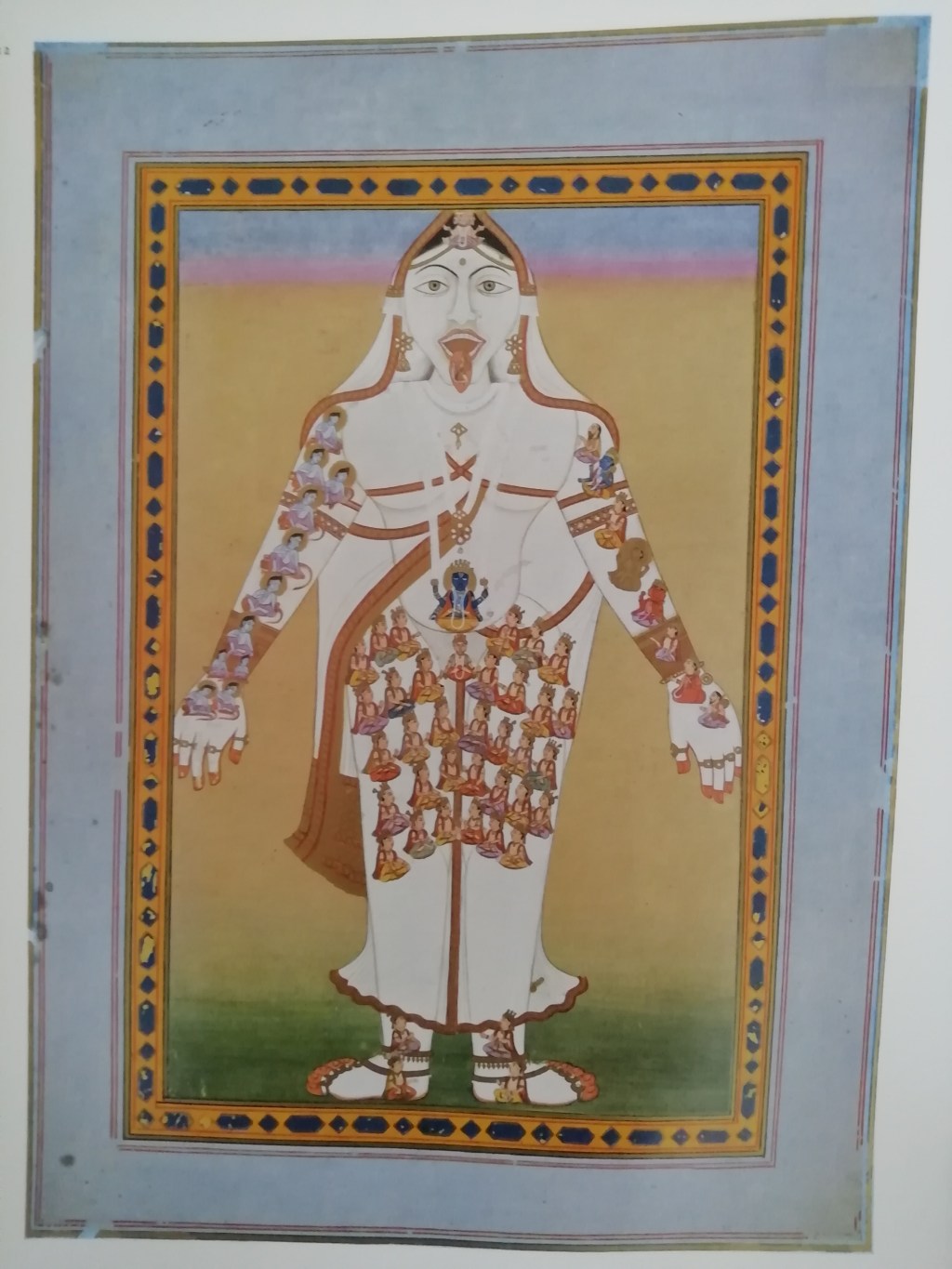
Speech in the Rig Veda
age has been connected with religious and ethical traditions in diverse regions of the world and throughout history, from the Biblical idea that the Word is God to the Confucian idea of the rectification of names. In the Indian tradition, too, language has been of central importance, and this has motivated a tradition of linguistic…
-
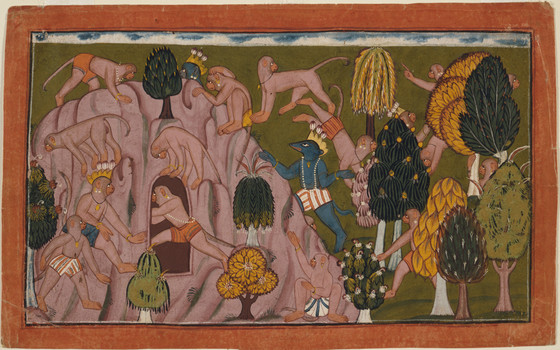
Bear-king Jāmbavān and animal symbolism
We can perhaps identify some similar themes of cultural centrality of the bear in Indian culture, especially in its earliest phases. Similarly to Western mythic taxonomy, the seven stars of Ursa Major are called ‘the bears’ (ṛkṣa) in the Rig Veda (1.24.10), and in fact the Pleiades are their seven wives according to Śatapatha Brāhmaṇa…
-

Talking with the rivers
Rivers have been revered since time immemorial in cultures across the world. For ancient peoples, the pure waters provided by rivers to drink and to water crops must have seemed to be a blessing from nature or from the gods. In the Rig Veda, the sapta-sindhu or seven rivers stand pre-eminent. Two among these, the…
 Desire To Think