Tag: vedas
-

On worshipping the sun as god
The sun has been worshipped as a deity in many of the major religious traditions in history, dating at least from the ancient Egyptian religion which worshipped the sun god 𒊑𒀀 (a.k.a. Re or Ra).
-
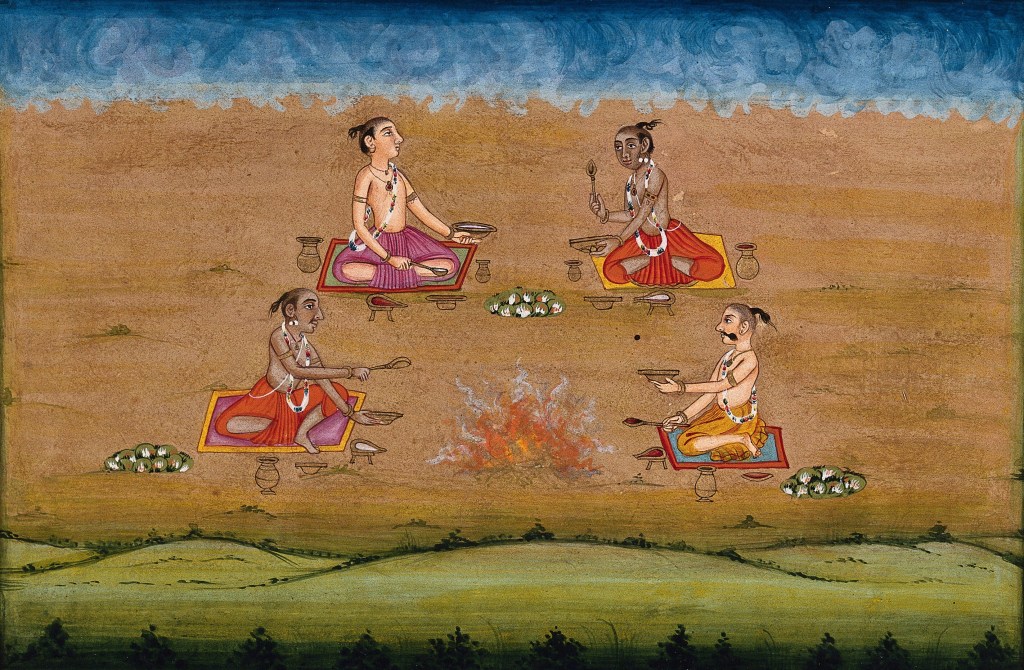
Emotions and Indian music
The Sāma Veda and its place in the Indian musical tradition
-
Theology and Indian Philosophy
A translation and analysis of the Nāsadīya Sūkta
-
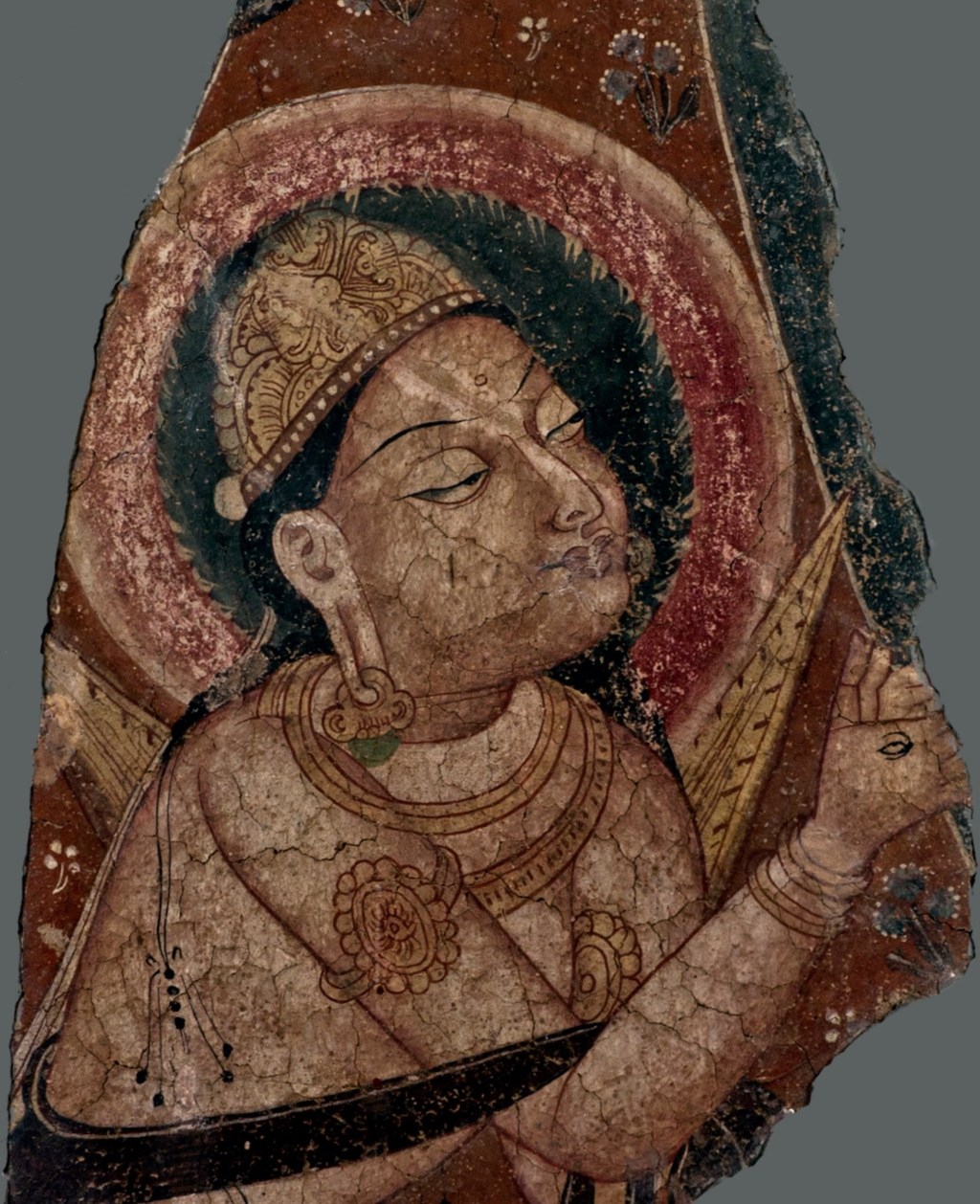
Indra as Vedic hero
Reflecting on the place of Indra in the Veda and in the Indo-European tradition
-

The Cosmos in Indian Philosophy
Reflecting on the sacred fig tree as a metaphor for the cosmos
-
The Iśāvāsya Upanishad
Trisul, Nanda Devi and Himalayan range from Kausani, Uttarakhand – Wikimedia Commons Pervaded by the dominion [of the Supreme] is all of this which moves in the moving world Having abandoned this, enjoy! Do not be acquisitive! For whose indeed is wealth? [Iśāvāsya Upanishad Verse 1; my own translation] This is the famous first verse…
-
Hinduism and Creative Adaptation
Modern replica of utensils and falcon shaped altar used for Agnicayana — by Arayilpdas at Malayalam Wikipedia Ethics and other normative action in Indian thought The theory of creative adaptation perhaps began to evolve in the Indian tradition with the need to find adequate sacrificial materials as stipulated in Vedic texts even when the early Indian people…
-
The Battle of Ten Kings
Ahi-Kshetra – the ancient capital of Northern Panchala — Wikimedia Commons The account in the Ṛg Veda and the legacy for modern India The seventh maṇḍala of the Ṛg Veda was largely composed by the Rṣi Vasiṣṭha Maitrāvaruṇi, well-known from later literature too, especially for the mutual antagonism between him and Viśvamitra. It commemorates some events leading…
-
The moral concern of the gods
Varuna, the God of Waters (1675–1700) — LACMA The Ᾱdityas in Indian history Do the gods care about the moral development of humanity? Do they encourage morally good behaviour and oppose those who act unethically? Many of the poets of the Rig Veda seem to have believed so, as did their Avestan compatriots. This article will present…
-
The Wheel and the Dharmacakra
Dholavira Signboard — Wikimedia Commons From the Rig Veda to independent India Starting from maybe the mid-fourth millennium B.C., the proto-Indo-European people seem to have been constantly on the move, spreading out to the West and to the East. The full motivation for such rapid and multi-directional waves of migration is not well-understood, but the availability of…
 Desire To Think