Tag: sanskrit
-
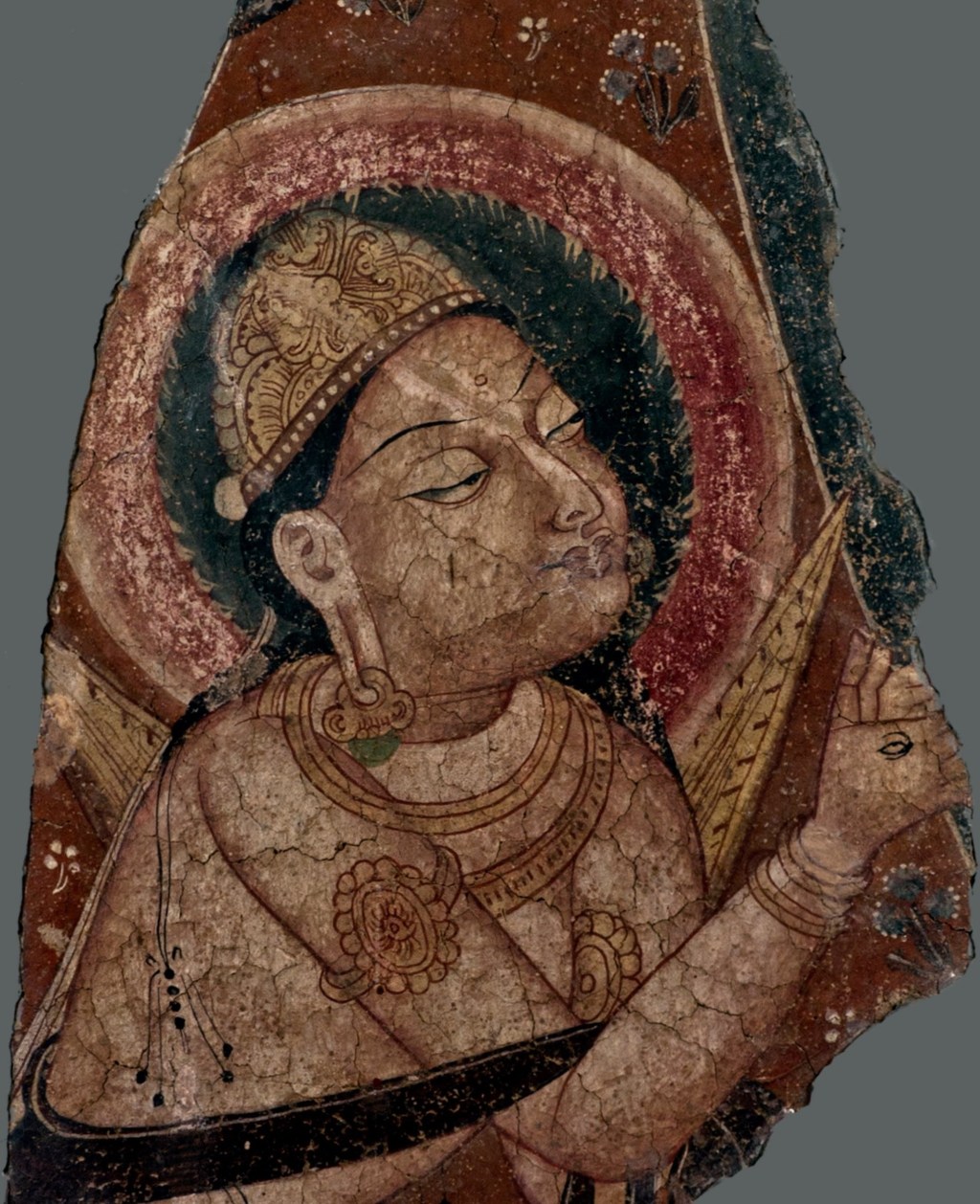
Indra and Namuci
The well-known story of Indra and Namuci has been told and retold since Vedic time up until the present day.
-
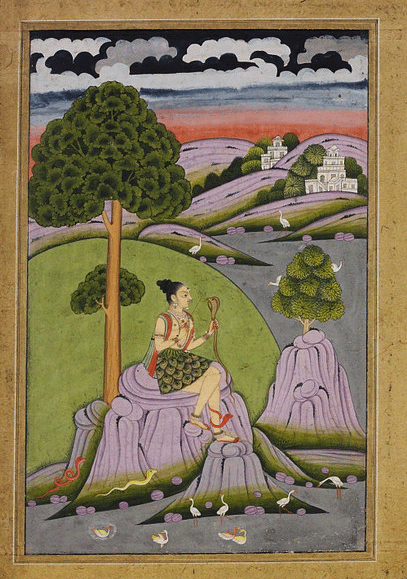
Nala, Rtuparna and their knowledge-exchange
Snakes or serpents appear prominently in many ancient literatures around the world. In ancient Egypt, Ouroboros is the snake that eats its own tail, perhaps representing the renewal of order out of disorder.
-

Faizi, Akbar and Sanskrit literature
The Mughal period in India was a fascinating and intriguing period from the perspective of development and dissemination of Sanskrit literature.
-

On worshipping the sun as god
The sun has been worshipped as a deity in many of the major religious traditions in history, dating at least from the ancient Egyptian religion which worshipped the sun god 𒊑𒀀 (a.k.a. Re or Ra).
-
Emotions in Indian literature
… as a source of spontaneity in the Ramayana and some works of Kālidāsa
-
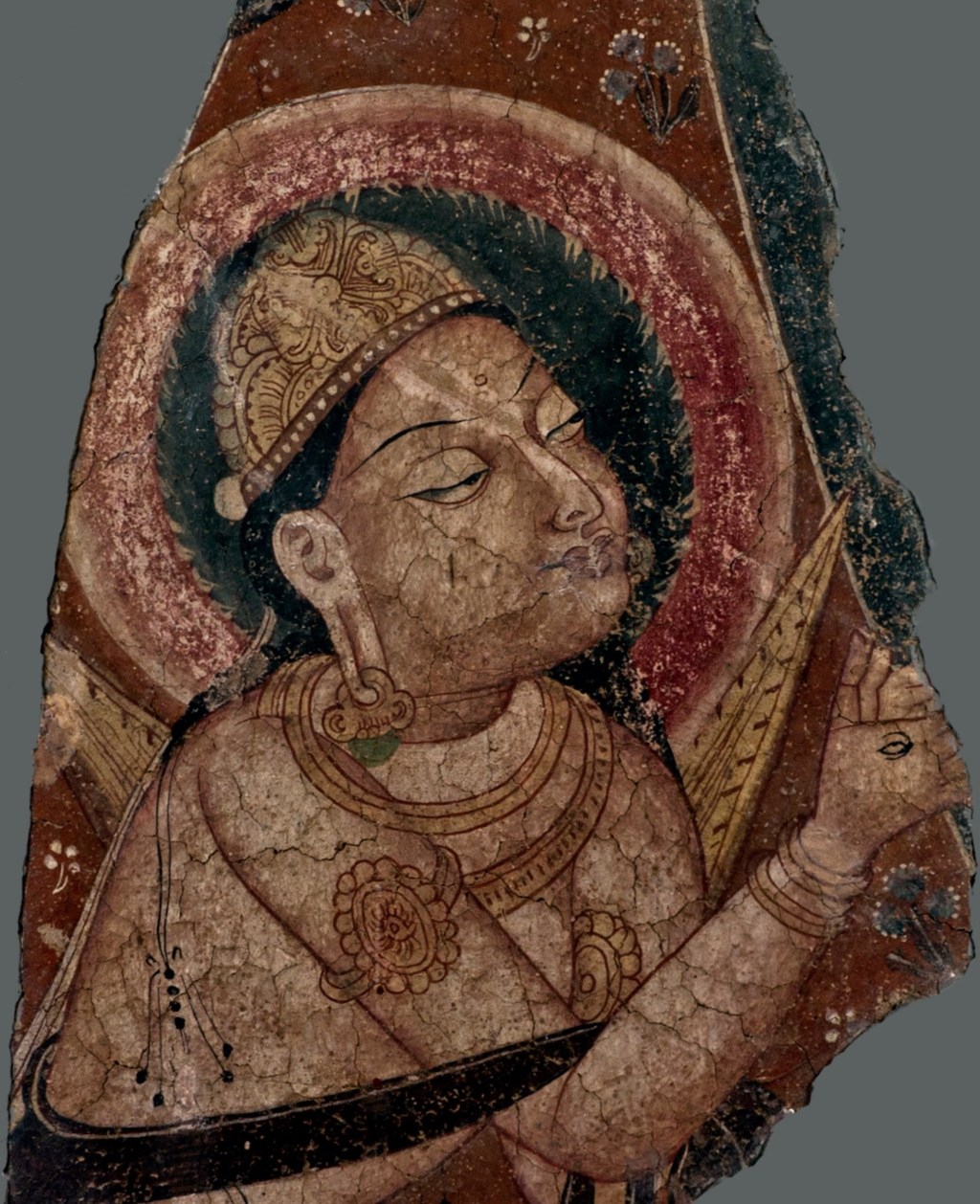
Indra as Vedic hero
Reflecting on the place of Indra in the Veda and in the Indo-European tradition
-

The Self in Indian Philosophy
Reflecting on the chariot as a metaphor for the Self
-
Death and the Rig Veda
King Dasharatha cremates Shravana and his aged Parents — Wikimedia Commons (B.N.Goswamy/ Gazal world) Ideas about some kind of afterlife are commonly found in all religions. In the Bhagavad Gītā, Krishna explains that those who resort to him do not get ‘punarjanma’ (rebirth in this world). A precursor to ‘punarjanma’ is the idea of ‘punarmṛtyu’ or ‘re-death’, found…
-
Śakuntalā’s poem
Dushyanta and Shakuntala in a Landscape — LACMA The play Abhijnāna-Śakuntalam is one of the most well-known and frequently-performed works by the renowned Indian poet Kālidāsa. The play is based on the famous story found in the Mahābhārata about the romance of Śakuntalā and Duṣyanta. However, Kālidāsa uses his own creative imagination to add some additional twists…
-
Hymn to all gods (№2)
What follows is my own translation of Rig Veda Mandala 1 Sūkta 90. The final lines of this verse are well-known and well-loved as they feature in one of the Śānti Mantras. The repeated reference to honey (madhu) also seems to be picked up on later in the Madhu-vidyā section of the Bṛhadāraṇyaka Upaniṣad. The…
 Desire To Think