Tag: sanskrit
-
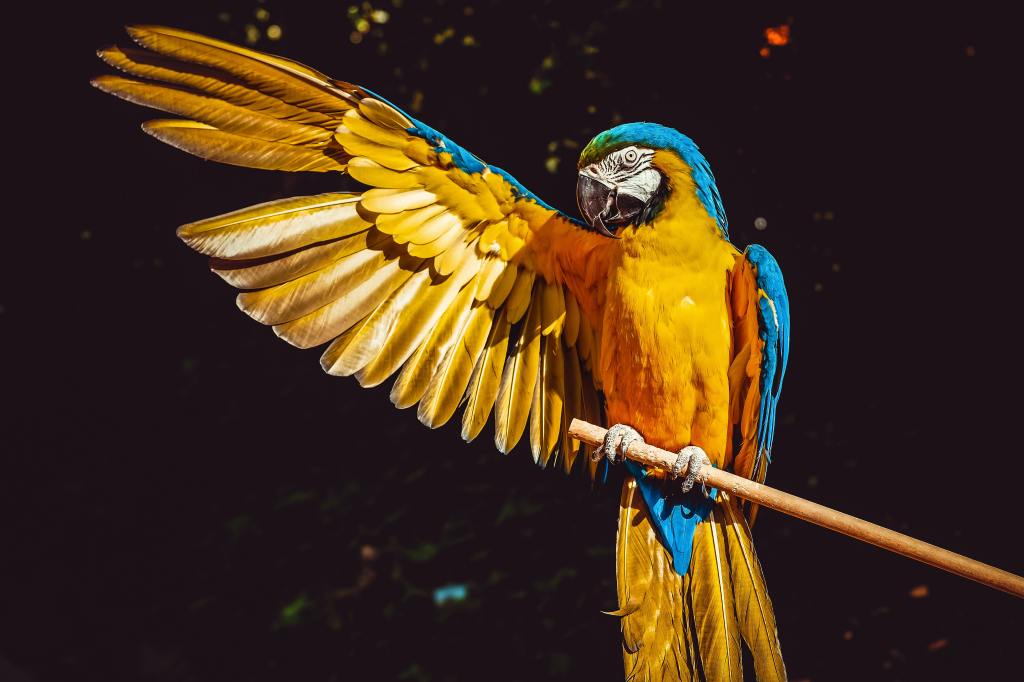
India Report: Religion and Social Reform
Readers will by now be familiar with the dramatic developments at one of our most elite institutions, which culminated in an unprecedented act of violence involving two of India’s most distinguished scholars. The altercation between Kumārila and Dharmapāla at Nalanda University has attracted much attention, and has somehow led to the unfolding media spectacle of…
-

Christmas trees and Indian literature
Many Christmas traditions have taken on a rather secular character in the modern world and can be fully enjoyed by us all, whatever the case is about our religious beliefs or lack of them. Among such traditions, the practice of decorating a tree for Christmas appears to be a rather modern one, but with many…
-
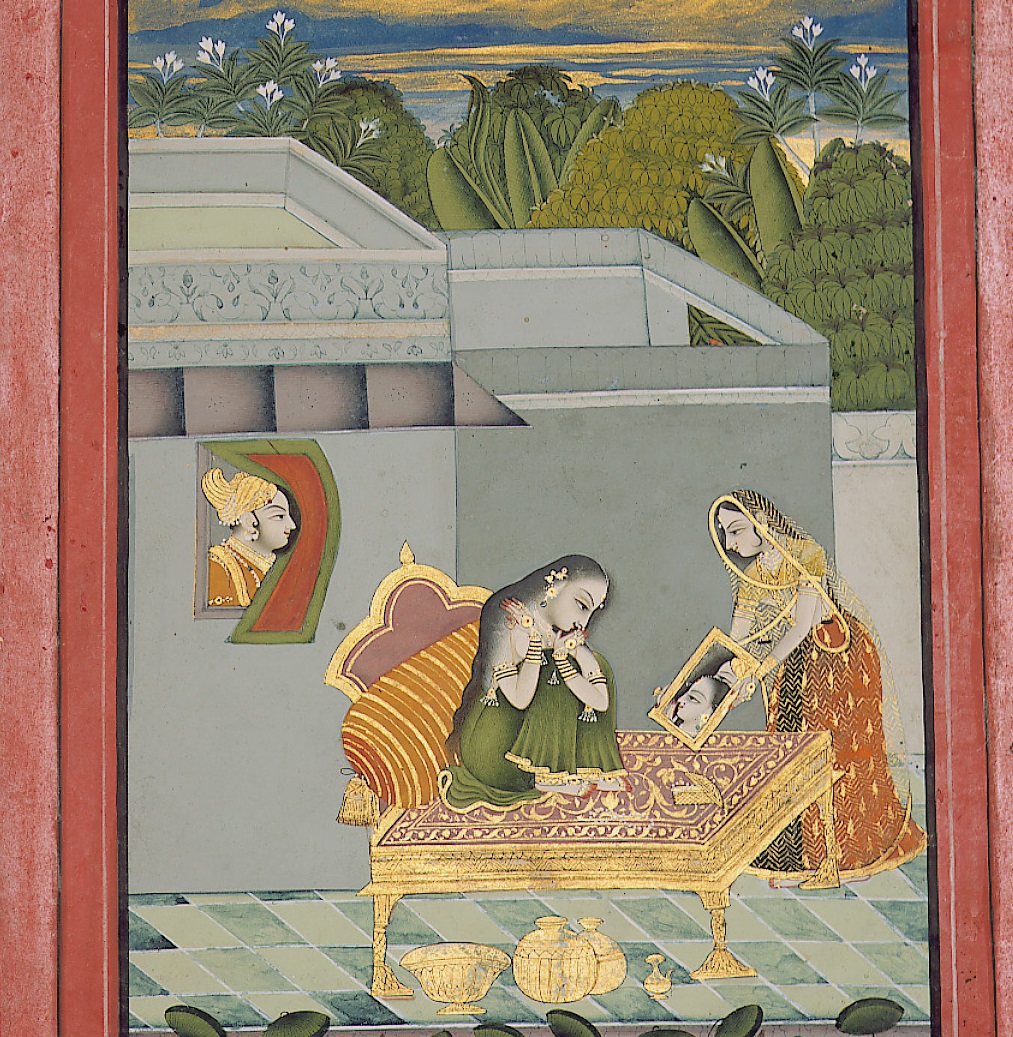
Marriage in the Rig Veda
Ṛg Veda Book 10 Verse 85 is commonly known as Sūryā’s Bridal Hymn or the Wedding Hymn. In some Hindu families, this is one of the Vedic verses recited as part of the liturgy at Hindu marriage ceremonies. It tells a metaphorical story of the wedding of Sūryā, seemingly the daughter of the sun-god, as…
-
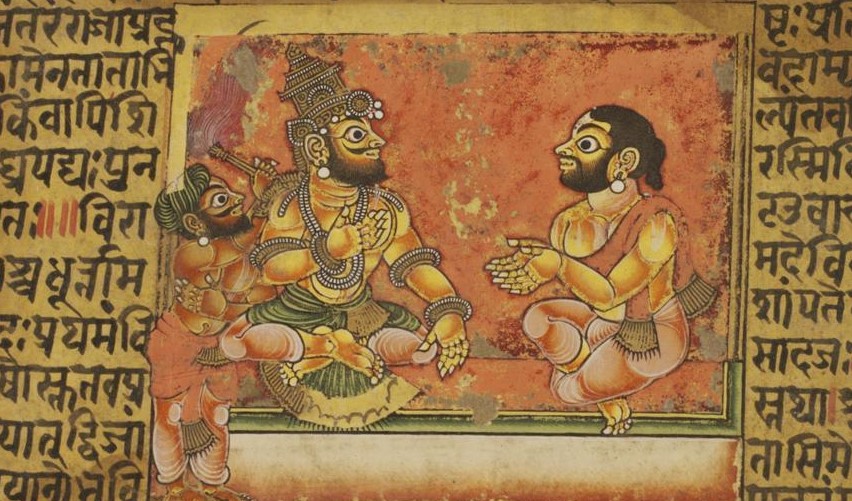
Gender and identity in the Mahābhārata
We may perhaps wonder whether individuals in ancient India thought about their own identities in terms that are recognizable today. It may be assumed that any sense of self that ancient Indian people might have had would have been conceptualized so differently that the identity terminologies of the 21st century would not apply.
-

Ethics of exile in the Ramayana
Themes of exile, quest and wandering are prominent in epic literature, at least of the Indo-European tradition.
-

Devī and the Buffalo Demon – Part Two
In the first part of the story, we saw how the buffalo-demon Mahiśāsura behaved in an extremely arrogant and conceited way due to the boon granted by Brahma that he could not be killed by any male god, demon or human, thinking himself invincible because of this. He made fun of the idea that any…
-

The Buffalo Demon – Part One
Another interesting story concerns the buffalo demon Mahiśāsura who was granted a boon that he would not be killed by man or by gods. This story is told in the Devī Māhātmya, from which I will draw below, as well as in the Devī Bhāgavatam, and in many other literary texts and folk stories too.
-
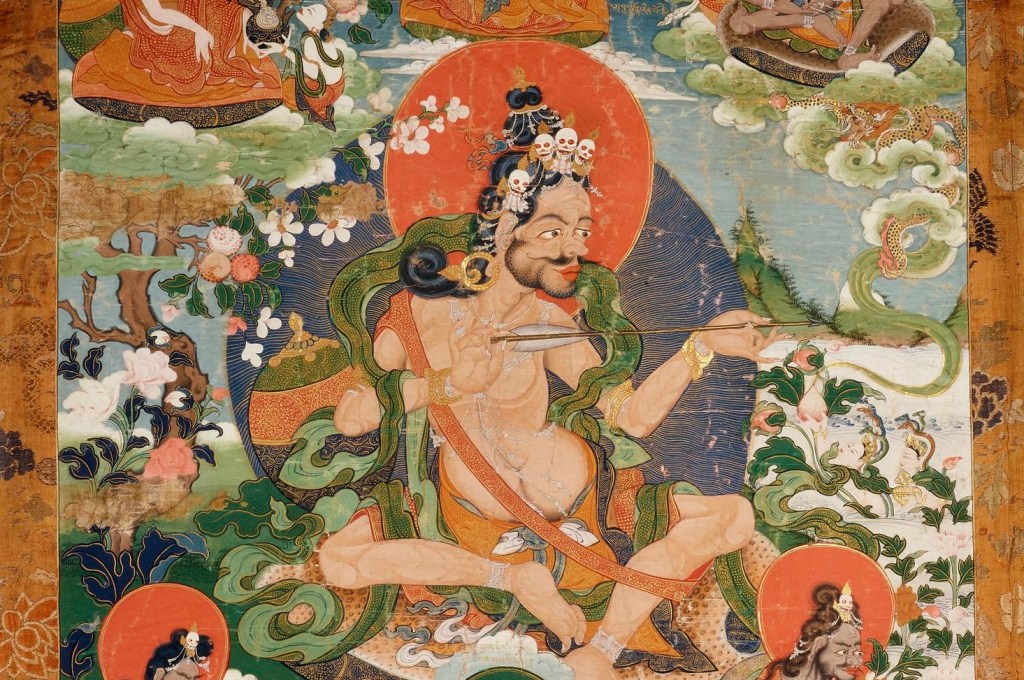
Tantra at the British Museum
A short review of the exhibition ‘Tantra: enlightenment to revolution’ which is currently on at the British Museum.
-

Sexual Harassment in the Mahābhārata
Sexual harassment is an unfortunate reality in many societies, and this fact is also reflected in literature too. In the story of Śakuntalā, originally in the Mahābhārata, Śakuntalā becomes pregnant by Duryodhana who then initially refuses to acknowledge that he is the father. In the Rāmāyaṇa, too, Sītā chooses to accompany her husband Rāma into…
-

Emotions and Indian sculpture
The American-British sculptor Jacob Epstein was a good friend of Ananda Coomaraswamy, who had some significant influence on him. The sculptures depicted above on the façade of (what is now) Zimbabwe House in London were designed by Epstein to represent a form of modernism which took influence from Indian classical sculptural traditions.
 Desire To Think