Tag: sanskrit literature
-

Devī and the Buffalo Demon – Part Two
In the first part of the story, we saw how the buffalo-demon Mahiśāsura behaved in an extremely arrogant and conceited way due to the boon granted by Brahma that he could not be killed by any male god, demon or human, thinking himself invincible because of this. He made fun of the idea that any…
-

The Buffalo Demon – Part One
Another interesting story concerns the buffalo demon Mahiśāsura who was granted a boon that he would not be killed by man or by gods. This story is told in the Devī Māhātmya, from which I will draw below, as well as in the Devī Bhāgavatam, and in many other literary texts and folk stories too.
-

Sexual Harassment in the Mahābhārata
Sexual harassment is an unfortunate reality in many societies, and this fact is also reflected in literature too. In the story of Śakuntalā, originally in the Mahābhārata, Śakuntalā becomes pregnant by Duryodhana who then initially refuses to acknowledge that he is the father. In the Rāmāyaṇa, too, Sītā chooses to accompany her husband Rāma into…
-

Emotions and Indian sculpture
The American-British sculptor Jacob Epstein was a good friend of Ananda Coomaraswamy, who had some significant influence on him. The sculptures depicted above on the façade of (what is now) Zimbabwe House in London were designed by Epstein to represent a form of modernism which took influence from Indian classical sculptural traditions.
-
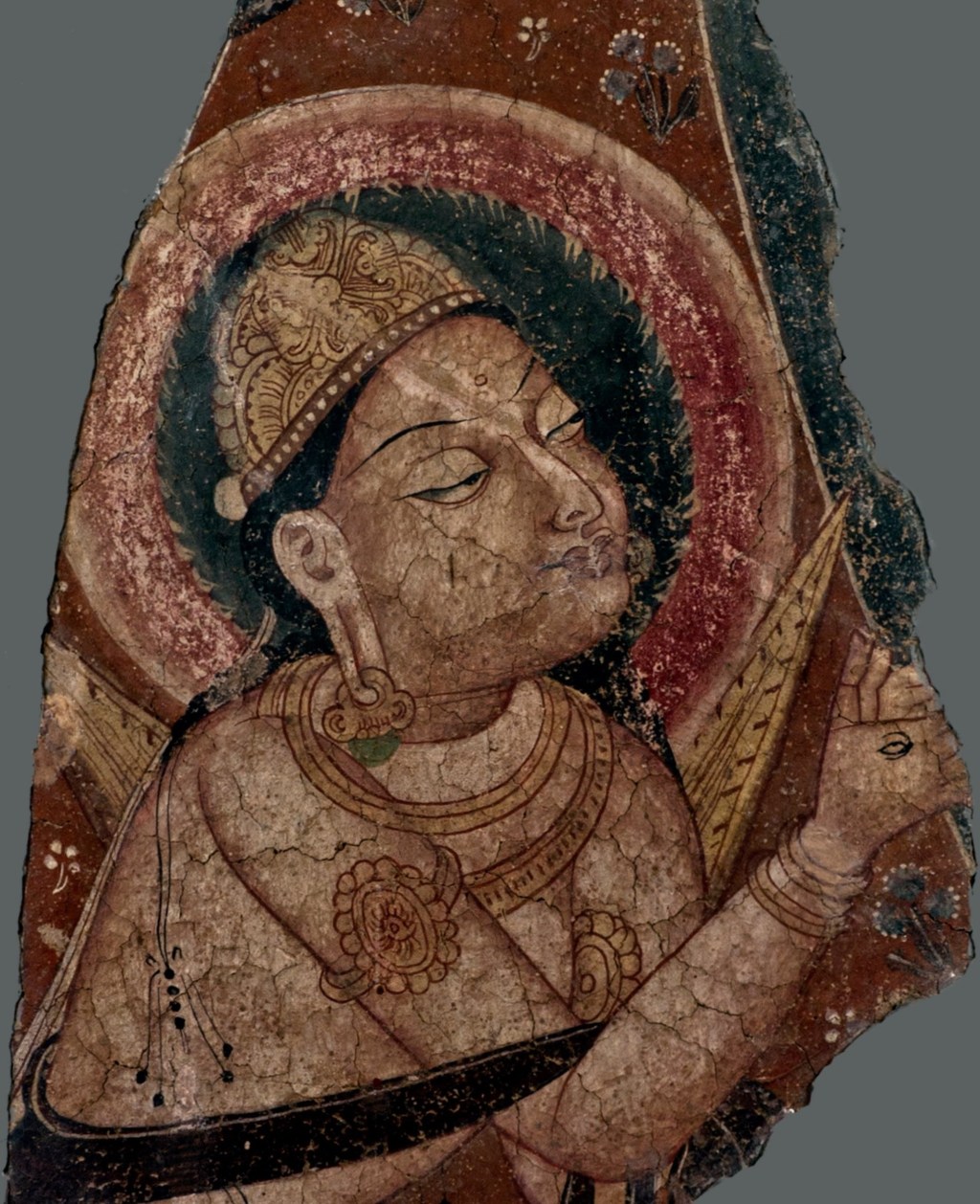
Indra and Namuci
The well-known story of Indra and Namuci has been told and retold since Vedic time up until the present day.
-
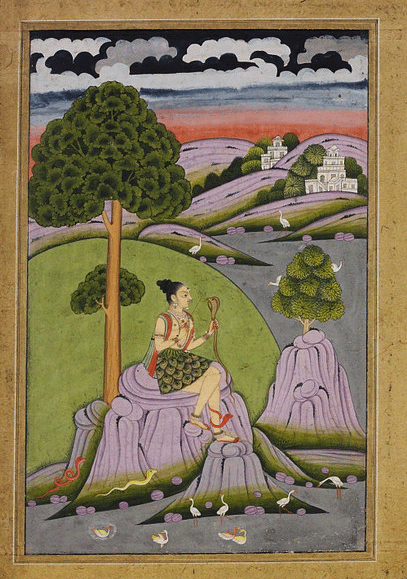
Nala, Rtuparna and their knowledge-exchange
Snakes or serpents appear prominently in many ancient literatures around the world. In ancient Egypt, Ouroboros is the snake that eats its own tail, perhaps representing the renewal of order out of disorder.
-

Faizi, Akbar and Sanskrit literature
The Mughal period in India was a fascinating and intriguing period from the perspective of development and dissemination of Sanskrit literature.
 Desire To Think