Tag: rigveda
-
Love, death and Sanskrit literature
In romantic literature across the world, we frequently read about lovers who would die rather than be apart. In the story of Pyramus and Thisbe, Pyramus kills himself, believing Thisbe to be dead. When Thisbe finds the dead body of Pyramus, she also kills herself. Romeo and Juliet, based on this story, and many other…
-
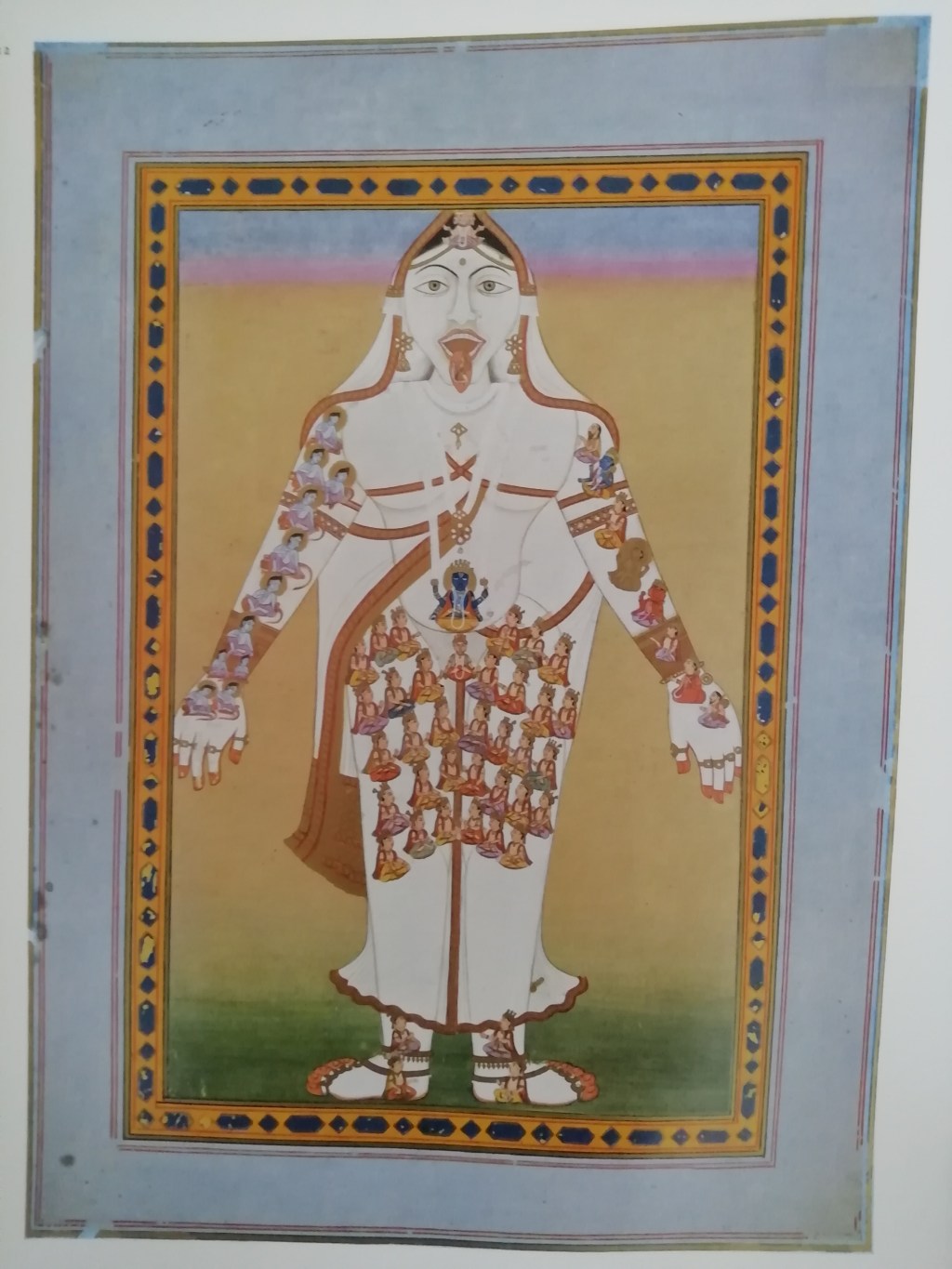
Speech in the Rig Veda
age has been connected with religious and ethical traditions in diverse regions of the world and throughout history, from the Biblical idea that the Word is God to the Confucian idea of the rectification of names. In the Indian tradition, too, language has been of central importance, and this has motivated a tradition of linguistic…
-

The separation of Earth and Sky
If, however, we were to speculate more freely, we may canvas a possible connection with the English word ‘hebban’, meaning ‘to lift’ or ‘to raise’, made plausible when we think of the sky as something that has been raised up as a firmament or heavenly vault. This line of thought gains further strength when we…
-

Talking with the rivers
Rivers have been revered since time immemorial in cultures across the world. For ancient peoples, the pure waters provided by rivers to drink and to water crops must have seemed to be a blessing from nature or from the gods. In the Rig Veda, the sapta-sindhu or seven rivers stand pre-eminent. Two among these, the…
-
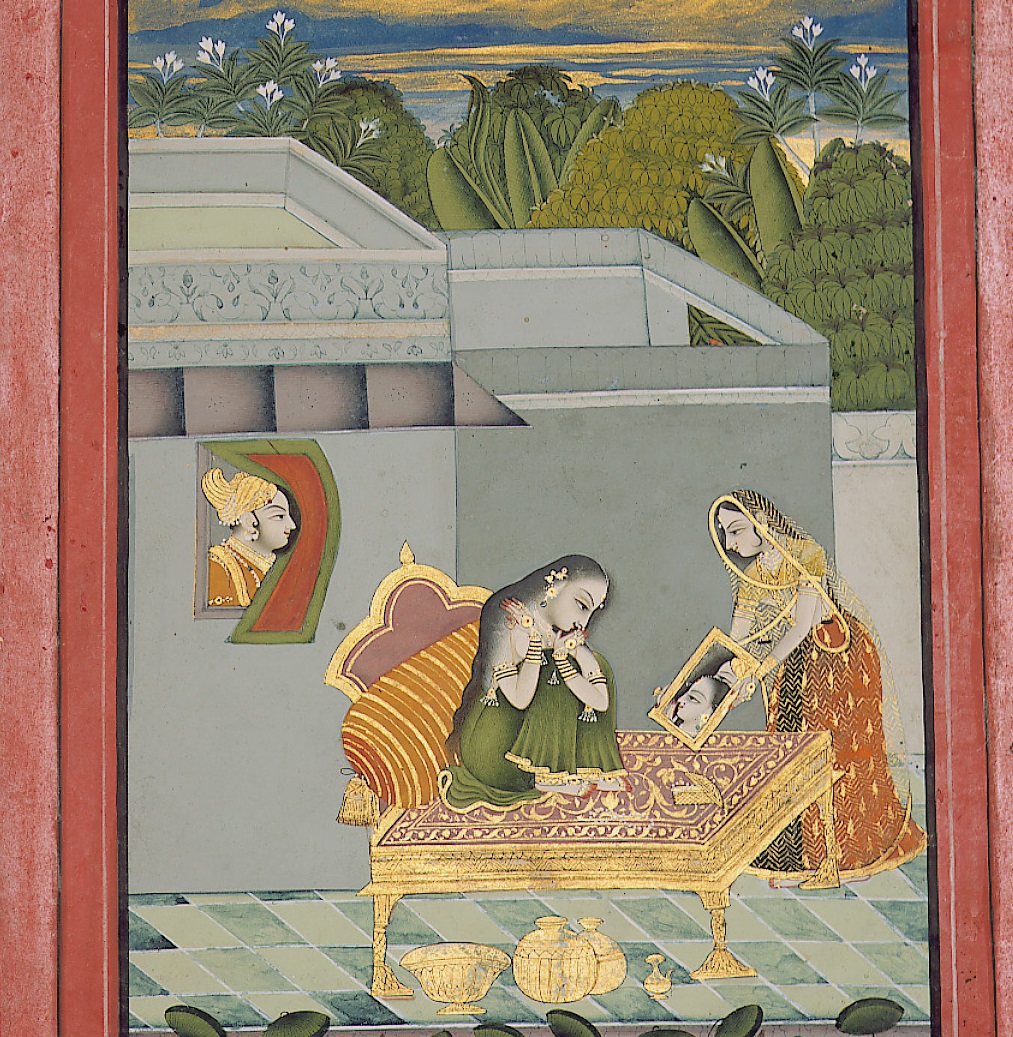
Marriage in the Rig Veda
Ṛg Veda Book 10 Verse 85 is commonly known as Sūryā’s Bridal Hymn or the Wedding Hymn. In some Hindu families, this is one of the Vedic verses recited as part of the liturgy at Hindu marriage ceremonies. It tells a metaphorical story of the wedding of Sūryā, seemingly the daughter of the sun-god, as…
-

On worshipping the sun as god
The sun has been worshipped as a deity in many of the major religious traditions in history, dating at least from the ancient Egyptian religion which worshipped the sun god 𒊑𒀀 (a.k.a. Re or Ra).
-
Death and the Rig Veda
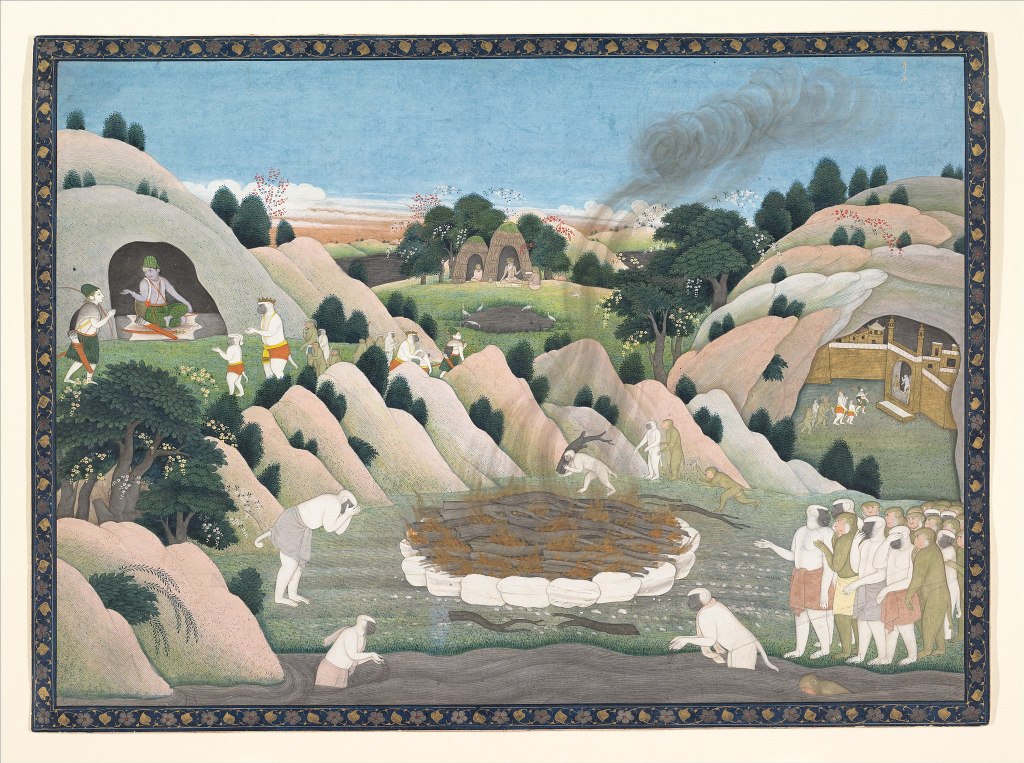
King Dasharatha cremates Shravana and his aged Parents — Wikimedia Commons (B.N.Goswamy/ Gazal world) Ideas about some kind of afterlife are commonly found in all religions. In the Bhagavad Gītā, Krishna explains that those who resort to him do not get ‘punarjanma’ (rebirth in this world). A precursor to ‘punarjanma’ is the idea of ‘punarmṛtyu’ or ‘re-death’, found…
-
Hymn to all gods (№2)
What follows is my own translation of Rig Veda Mandala 1 Sūkta 90. The final lines of this verse are well-known and well-loved as they feature in one of the Śānti Mantras. The repeated reference to honey (madhu) also seems to be picked up on later in the Madhu-vidyā section of the Bṛhadāraṇyaka Upaniṣad. The…
-
A hymn to all the gods
What follows is my own translation of Rig Veda Mandala 1 Sūkta 89 (आ नो᳚ भ॒द्राः). The opening line of this verse is a well-known and well-loved one, quoted in the Baudhāyana Gṛhya Sūtra and many other later texts. The later verses include the famous lines भ॒द्रं कर्णे᳚भिः शृणुयाम देवा etc. which appear in rearranged…
-
Creation in the Rig Veda
Exterior (shutters) of The Garden of Earthly Delights — Wikimedia Commons One of its several narratives in comparative perspective The Ṛg Veda contains various accounts of the creation of the universe, including the famous Nāsadīya Sūkta which I have previously discussed. That sets out a rather philosophically sophisticated and speculative idea about a single monistic principle whereby…
 Desire To Think