Tag: rig veda
-

Indra driving the chariot
The chariot race was one of the most important competitive sports in Greece, Rome and many other ancient cultures. In the Iliad, we read a description of a chariot race held as part of the funeral games. The energy and competitive spirit of the racers is vividly described as follows
-

On poetic understanding
Just as scientists strive to crystallize deeper truths about the world, so too do poets. However, whereas scientists further our understanding of reality through a process of abstraction, poets develop insights that resists abstraction and stays at the level of ordinary things.
-
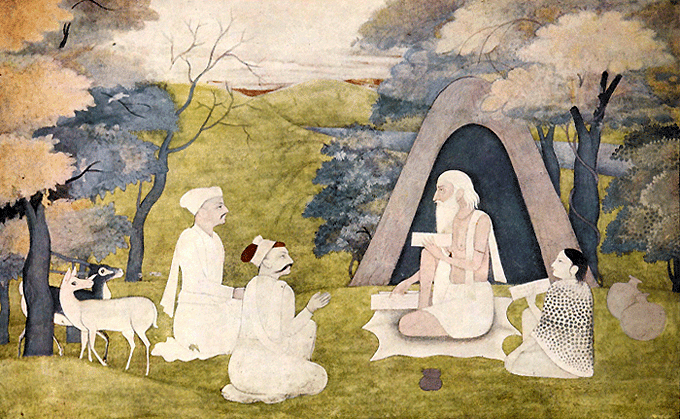
Family and society in the Vedic period
On the occasion of Guru Pūrṇimā, our thoughts may turn to the venerable lineages of successive teachers and students in India. As we will see, the need to record and preserve genealogical details of family and pedagogical lineages was already recognized in India in the earliest times. Indeed, this is very likely a continuation of…
-

The theft of the mead
In a recent article, I discussed the theft of fire in the Rig Veda, and this may remind us of another similar incident of theft from the gods, viz. the theft of mead or soma by a falcon.
-

Creation in the Rig Veda (again)
again from the tenth book. Though a different verse, the immensity of the boulder does give an impression of something elementary, mysterious and primordial that perhaps matches the idea of creation that starts with ‘night’ and basic elements such as ‘water’.
-
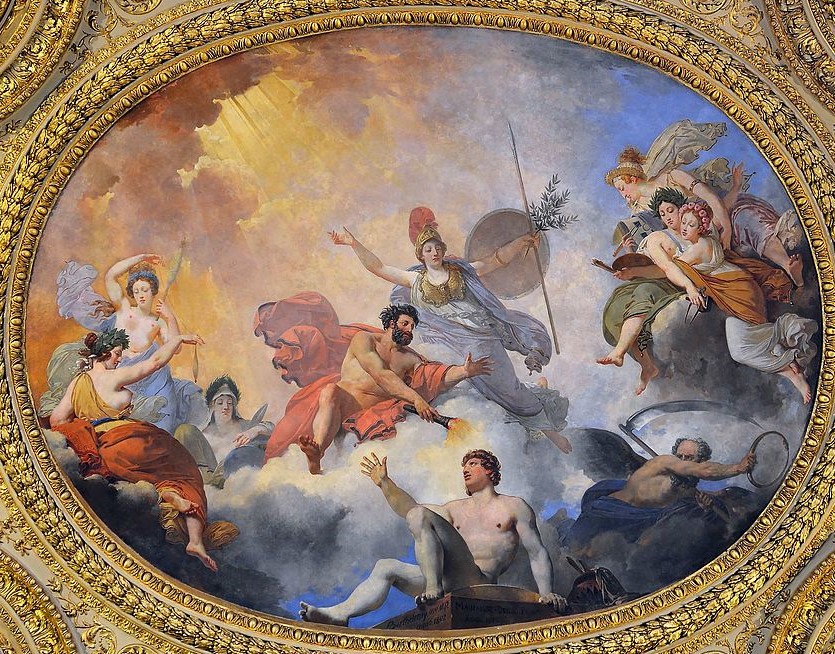
On stealing from the gods
wisdom, forbidden knowledge, and access to divinity itself. Divine trickery may be involved. And the theft may be followed by divine anger and punishment. This article will briefly review and compare three such myths, that of the eating from the ‘tree of knowledge’ in the Garden of Eden, the Greek myth of the theft of…
-
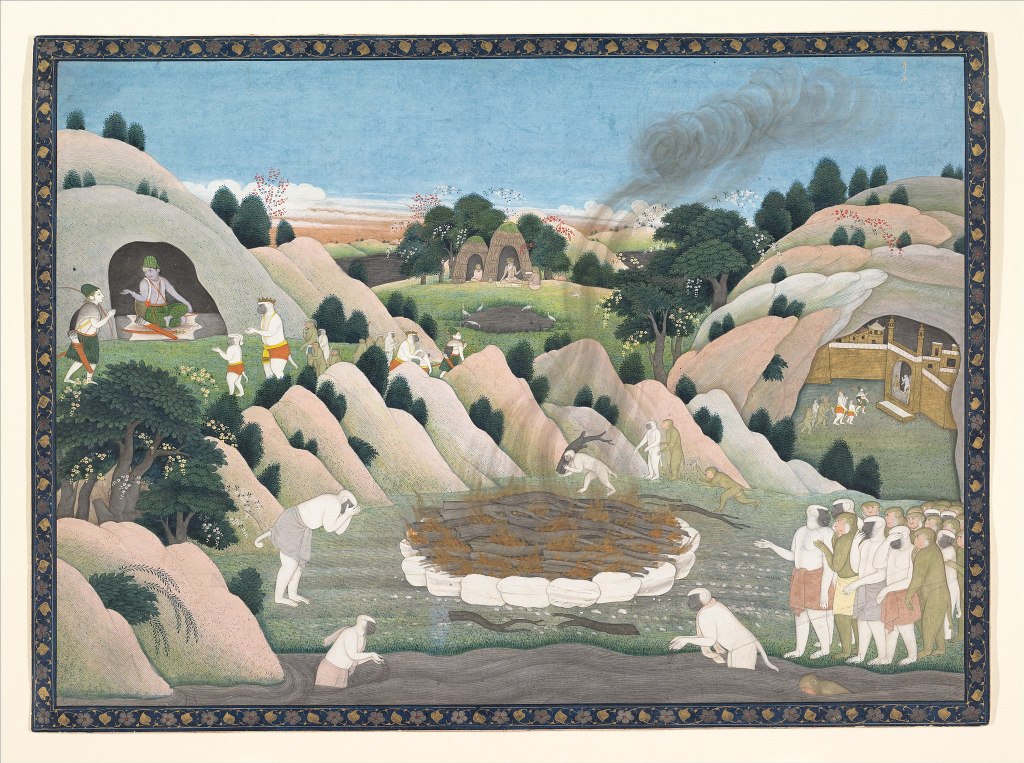
Love, death and Sanskrit literature
In romantic literature across the world, we frequently read about lovers who would die rather than be apart. In the story of Pyramus and Thisbe, Pyramus kills himself, believing Thisbe to be dead. When Thisbe finds the dead body of Pyramus, she also kills herself. Romeo and Juliet, based on this story, and many other…
-

On craft-worker gods and heroes
For ancient as well as modern people, God has been conceived of in a bewildering variety of ways. At one extreme, we see a wholly abstract and ineffable power, such as the Advaitic conception of Brahman, and on the other hand, we find an anthropomorphic god such as Krishna in the Mahābhārata, who is faced…
-

T.S. Eliot, the Vedas and the Concept of Time
The concept of time seems to have been a preoccupation for many leading figures of this generation across a variety of fields, stimulated perhaps in part by the linking of hitherto distant regions through railway and telegraphy during the nineteenth century, and likely also by the impact of Einstein’s work. Such figures might include Henri…
-
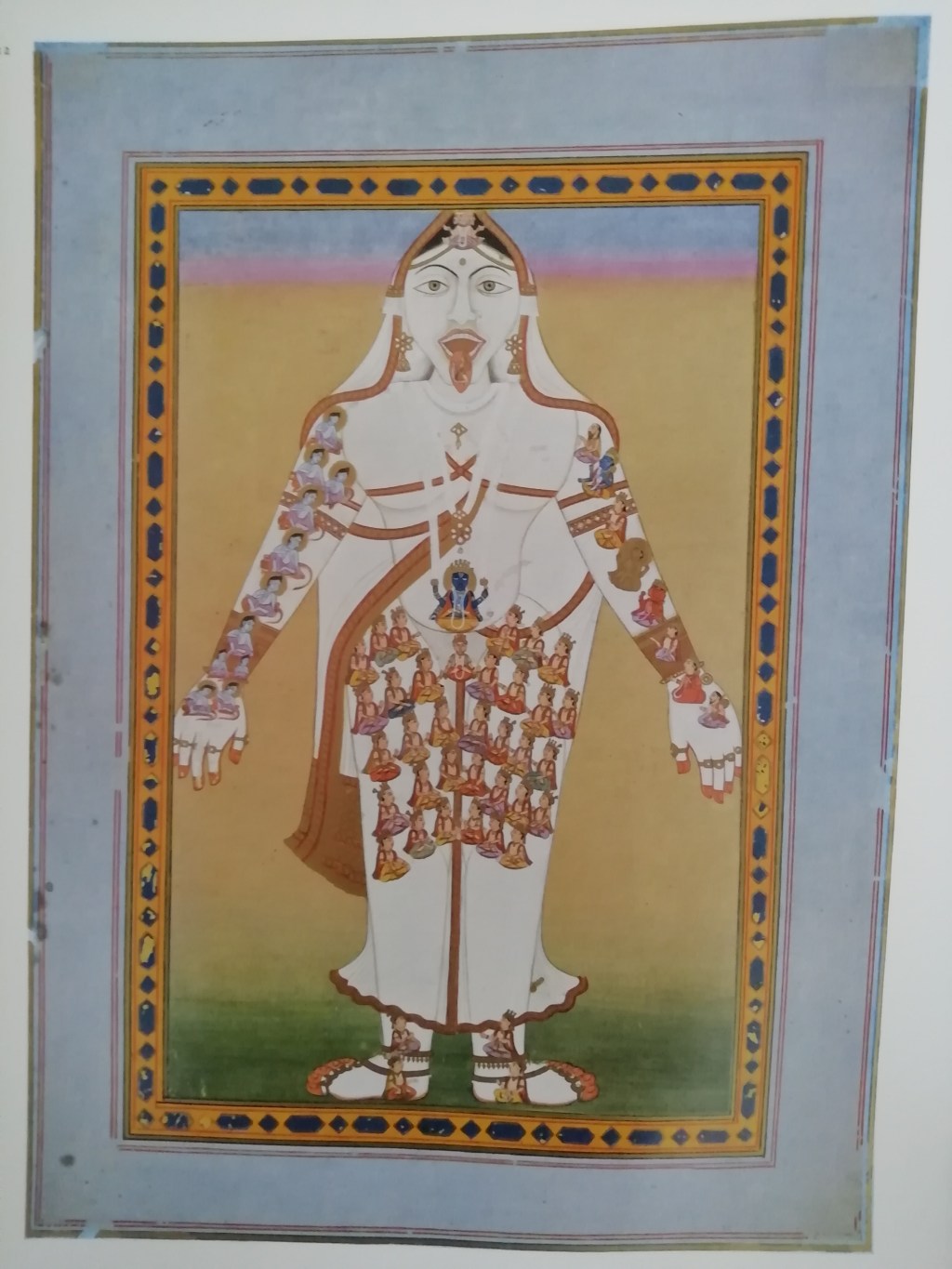
Speech in the Rig Veda
age has been connected with religious and ethical traditions in diverse regions of the world and throughout history, from the Biblical idea that the Word is God to the Confucian idea of the rectification of names. In the Indian tradition, too, language has been of central importance, and this has motivated a tradition of linguistic…
 Desire To Think