Tag: mahabharata
-

Remembrance Day Thoughts – Poetry and WW1
‘For the Fallen’ is one of the most well-known poems, not only of its author Laurence Binyon, but in fact of all war poetry. Often recited at Remembrance Day services, it seems to strike the right note of solemn dignity, lauding the sacrifices of English soldiers who died in the First World War without glorifying…
-
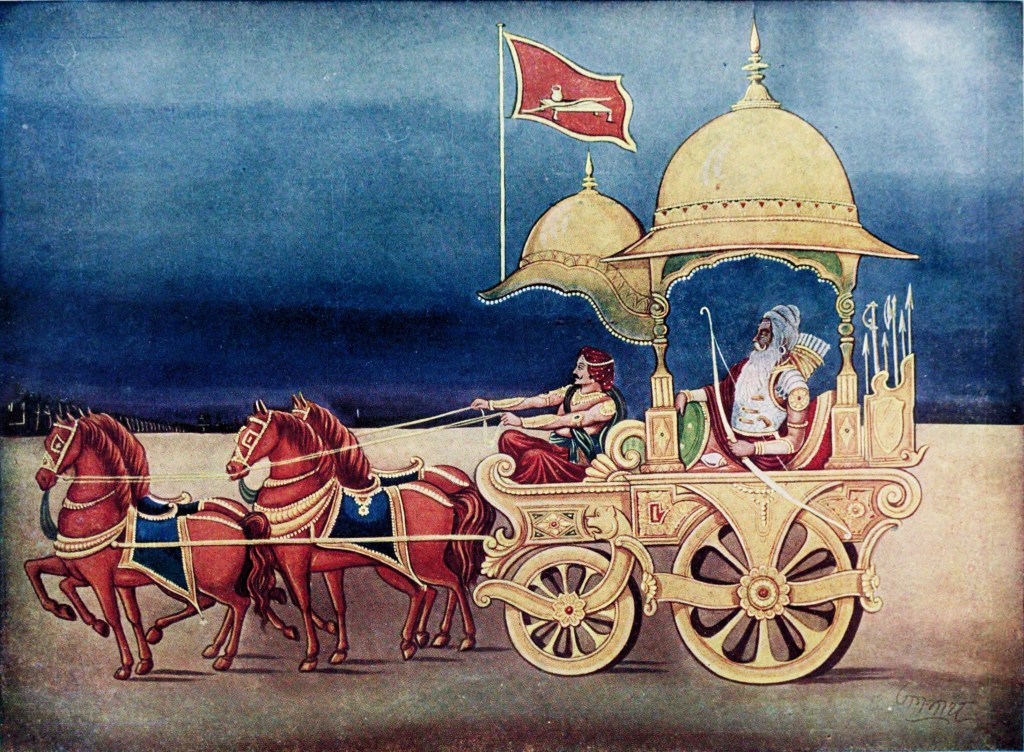
On war in Ukraine and in the Mahabharata
In the ancient Indian epic Mahābhārata, we read about a shocking and devastating war at Kurukṣetra that seems to have many parallels with the ongoing war in Ukraine. In this summary of some key points about the Kurukṣetra war, we may perhaps find some revealing similarities.
-

Playing games in literature, art and history
The engraving above, based on a sculpture at the Ellora caves, shows Pārvatī and Śiva playing a game of dice. We see Śiva about to roll the dice on some kind of gameboard while Pārvatī gestures expressively at him. This scene perhaps illustrates a well-known episode from the Skanda Purana where they engage in fierce…
-
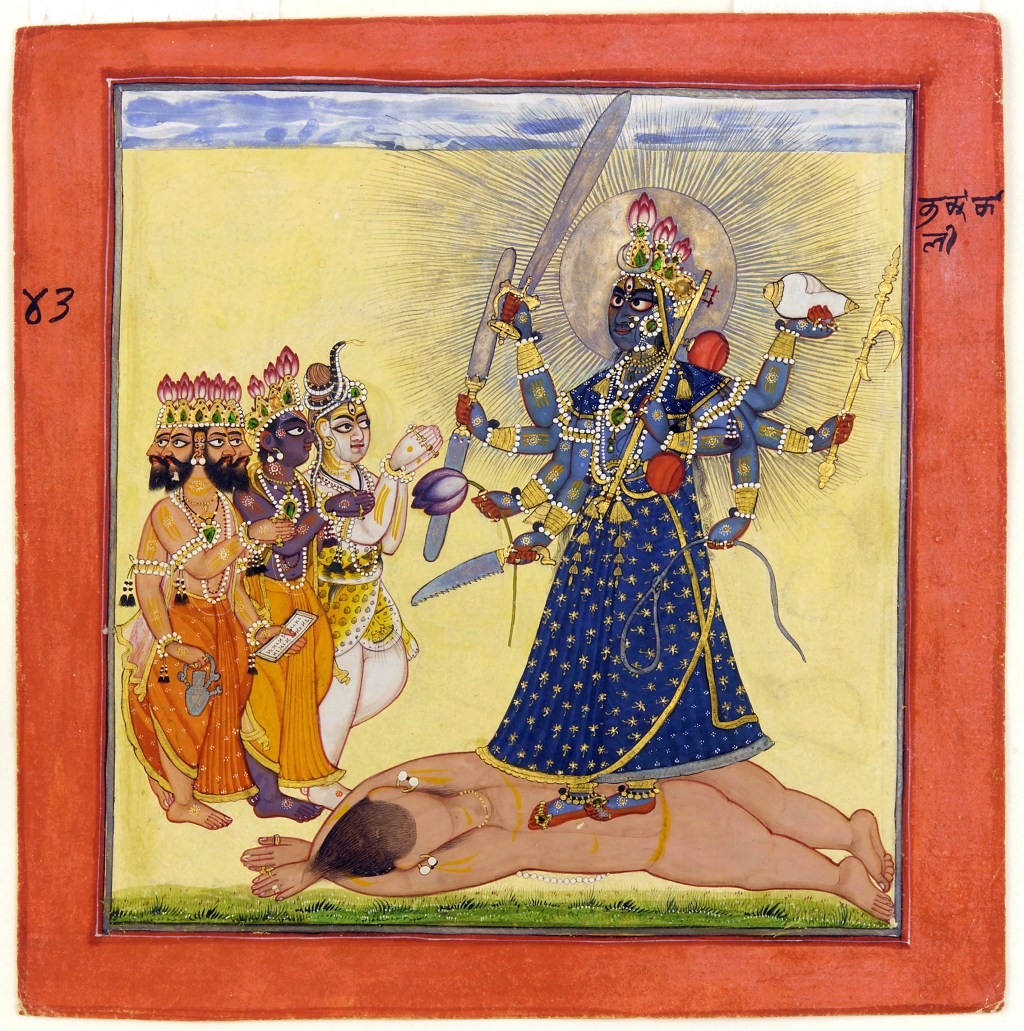
Some Indo-European thoughts on time
Our day-to-day experience of time passing can be highly non-linear and subjective, as we move from giving rapid presentations to enjoying lazy Sunday afternoons. Science too has studied how our brains have the ability to slow down and speed up our perception of time. In this way, our lived experience of the flow of time…
-
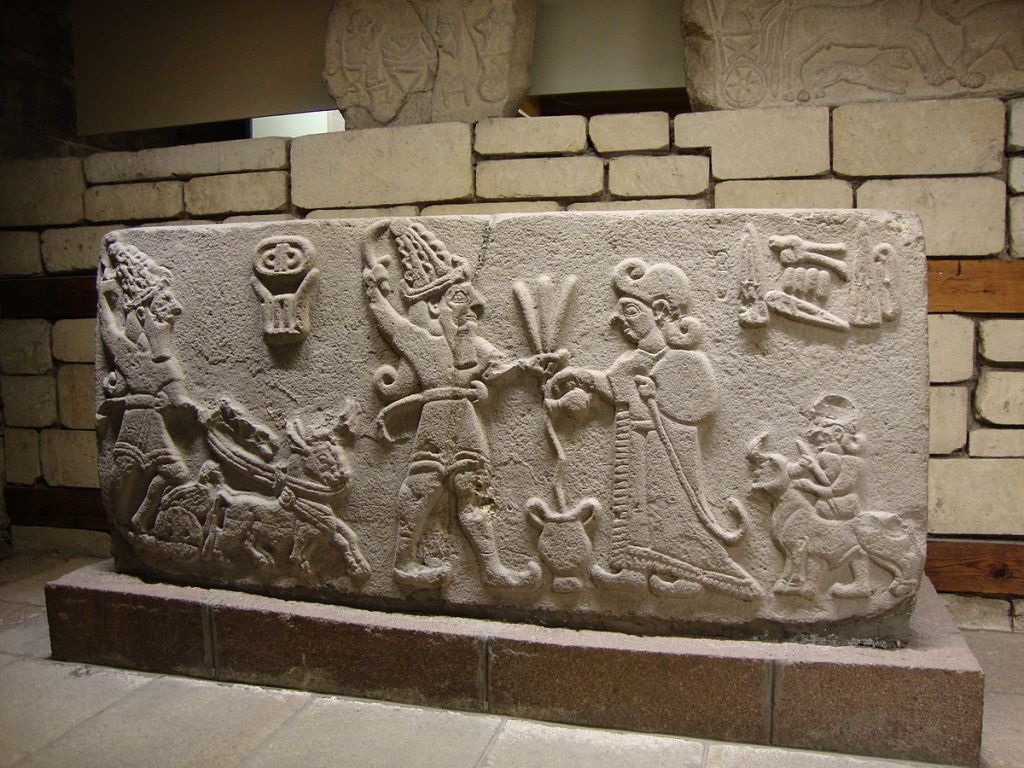
Some masters of Indo-European words
Etymologically speaking, in English, to talk is to tell a tale, and indeed history talks with us in large part through the telling of myths, sagas and other epic tales. Such tales were typically composed and narrated by talented poets, bards, skalds and similar figures in the history of Indo-European literature.
-
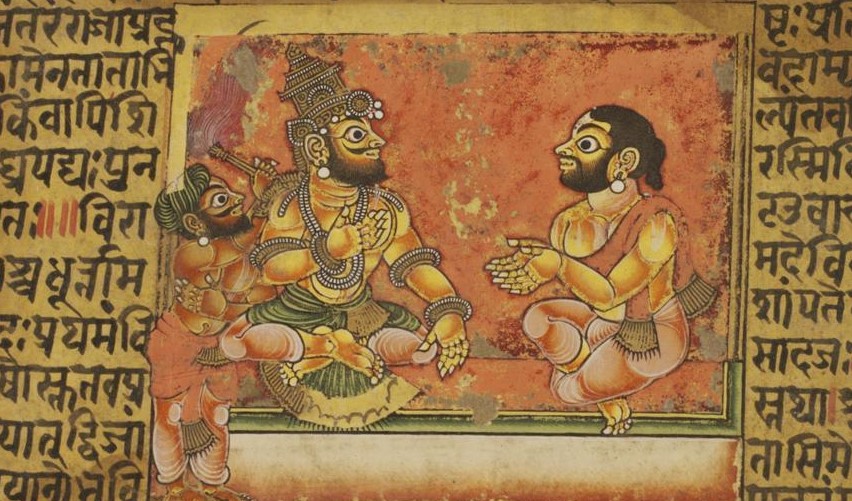
Gender and identity in the Mahābhārata
We may perhaps wonder whether individuals in ancient India thought about their own identities in terms that are recognizable today. It may be assumed that any sense of self that ancient Indian people might have had would have been conceptualized so differently that the identity terminologies of the 21st century would not apply.
-

Sexual Harassment in the Mahābhārata
Sexual harassment is an unfortunate reality in many societies, and this fact is also reflected in literature too. In the story of Śakuntalā, originally in the Mahābhārata, Śakuntalā becomes pregnant by Duryodhana who then initially refuses to acknowledge that he is the father. In the Rāmāyaṇa, too, Sītā chooses to accompany her husband Rāma into…
-
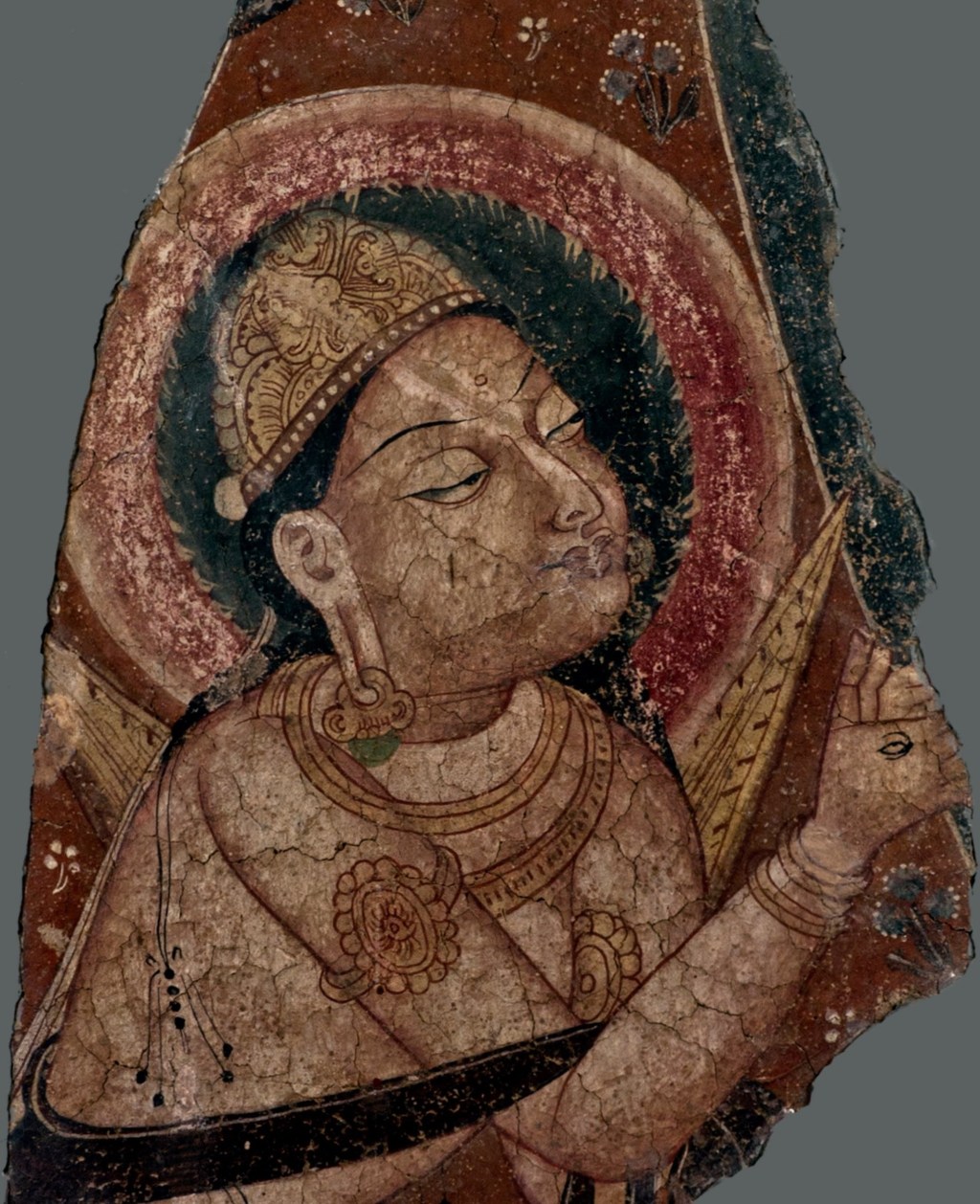
Indra and Namuci
The well-known story of Indra and Namuci has been told and retold since Vedic time up until the present day.
-
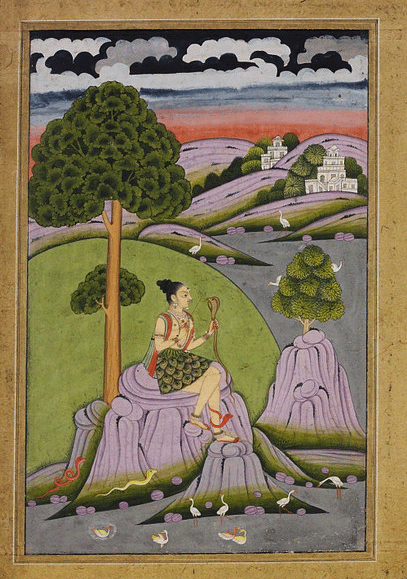
Nala, Rtuparna and their knowledge-exchange
Snakes or serpents appear prominently in many ancient literatures around the world. In ancient Egypt, Ouroboros is the snake that eats its own tail, perhaps representing the renewal of order out of disorder.
-

Faizi, Akbar and Sanskrit literature
The Mughal period in India was a fascinating and intriguing period from the perspective of development and dissemination of Sanskrit literature.
 Desire To Think