Desire To Think
-
Love, death and Sanskrit literature
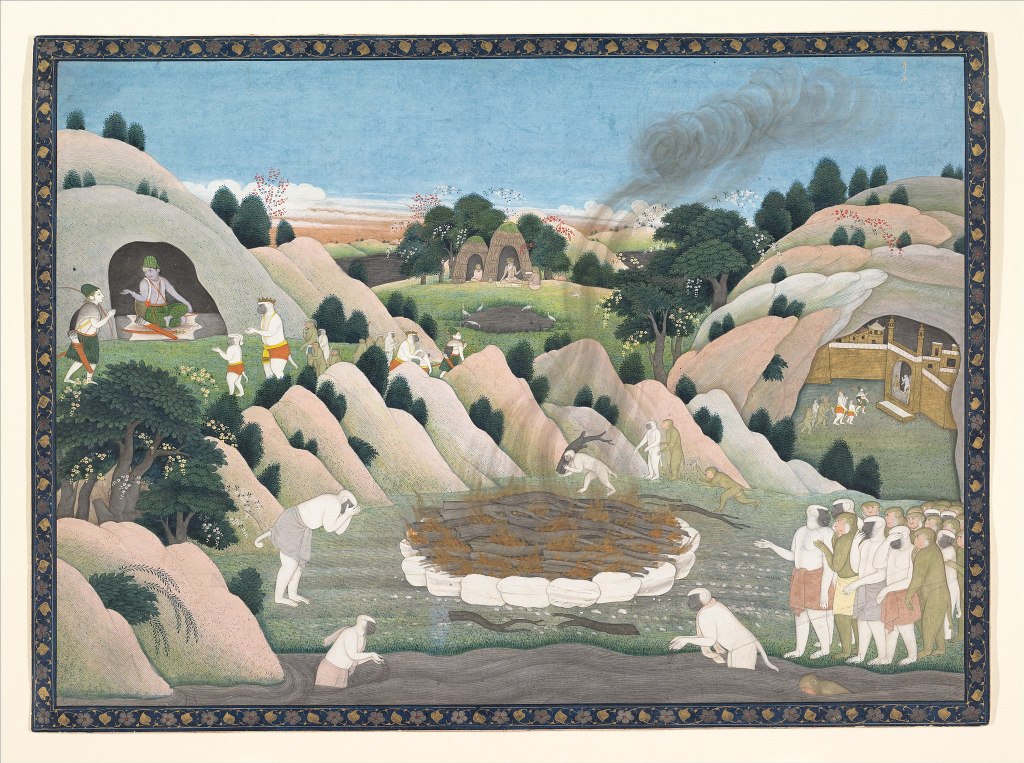
In romantic literature across the world, we frequently read about lovers who would die rather than be apart. In the story of Pyramus and Thisbe, Pyramus kills himself, believing Thisbe to be dead. When Thisbe finds the dead body of Pyramus, she also kills herself. Romeo and Juliet, based on this story, and many other…
-

On craft-worker gods and heroes
For ancient as well as modern people, God has been conceived of in a bewildering variety of ways. At one extreme, we see a wholly abstract and ineffable power, such as the Advaitic conception of Brahman, and on the other hand, we find an anthropomorphic god such as Krishna in the Mahābhārata, who is faced…
-

T.S. Eliot, the Vedas and the Concept of Time
The concept of time seems to have been a preoccupation for many leading figures of this generation across a variety of fields, stimulated perhaps in part by the linking of hitherto distant regions through railway and telegraphy during the nineteenth century, and likely also by the impact of Einstein’s work. Such figures might include Henri…
-

Conflicting norms of behaviour: in Greek drama and Indian epic
Polyneices a proper burial. Polyneices has been killed in a battle against his brother and fellow citizens, and, as he is considered a traitor to the kingdom, the king decrees that no-one is to bury him or mourn him. As his sister, however, Antigone feels that she is under an obligation to give him some…
-
Speech in the Rig Veda
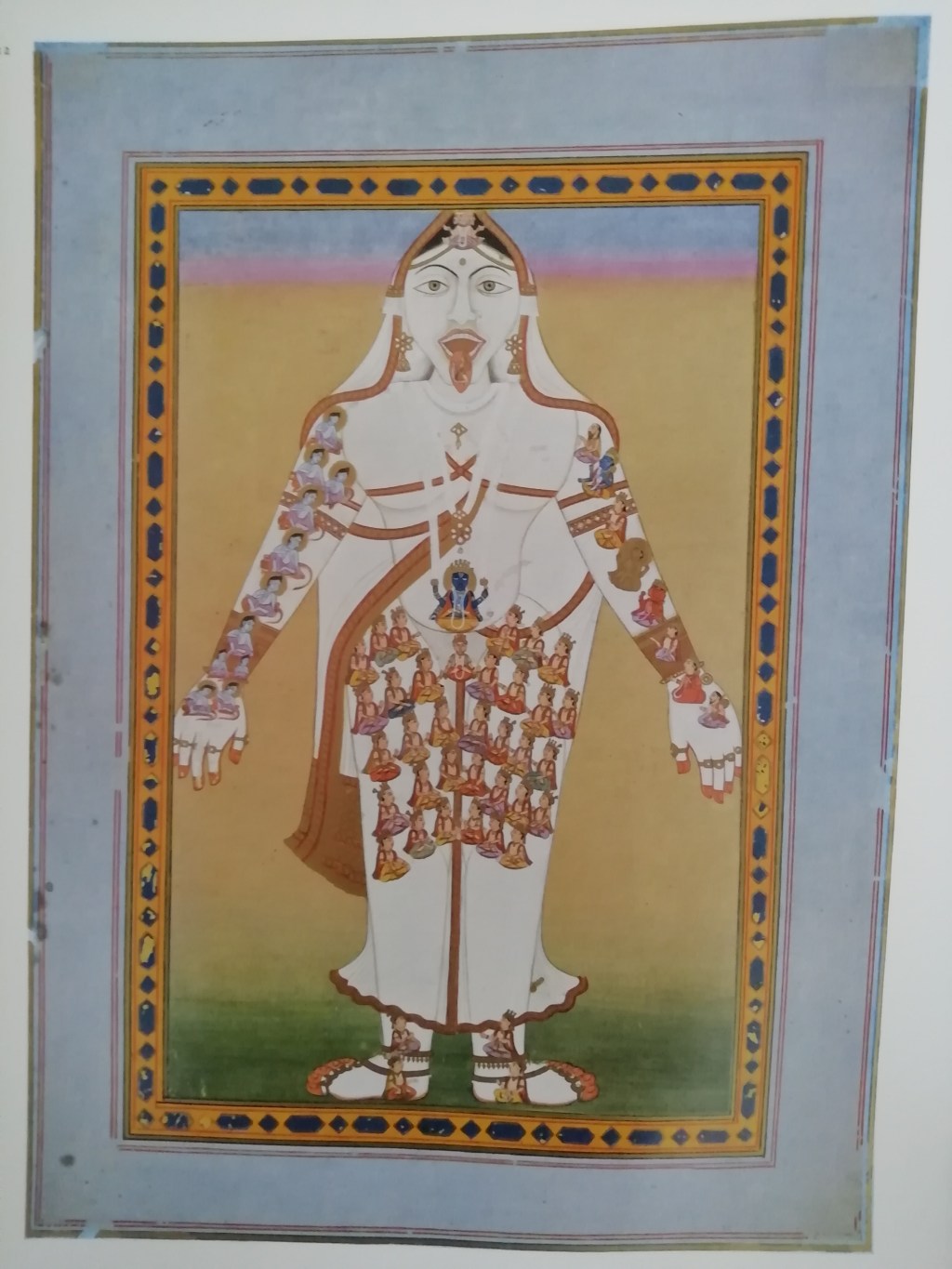
age has been connected with religious and ethical traditions in diverse regions of the world and throughout history, from the Biblical idea that the Word is God to the Confucian idea of the rectification of names. In the Indian tradition, too, language has been of central importance, and this has motivated a tradition of linguistic…
-

On the vision of God
A pivotal point in many sacred narratives is the encounter between the human and the divine, often in terms of a theophany, that is, a visible manifestation of a deity. Early in the Book of Exodus, we read about Moses’ first encounter with God in the burning bush.
-
Bear-king Jāmbavān and animal symbolism
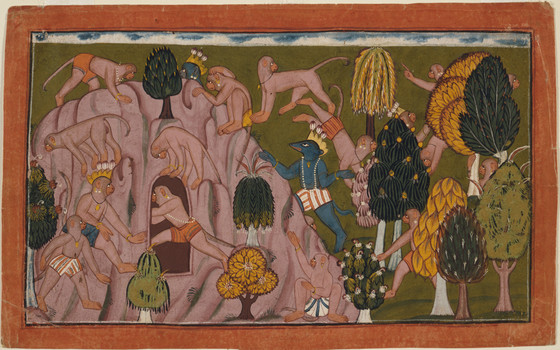
We can perhaps identify some similar themes of cultural centrality of the bear in Indian culture, especially in its earliest phases. Similarly to Western mythic taxonomy, the seven stars of Ursa Major are called ‘the bears’ (ṛkṣa) in the Rig Veda (1.24.10), and in fact the Pleiades are their seven wives according to Śatapatha Brāhmaṇa…
-

The separation of Earth and Sky
If, however, we were to speculate more freely, we may canvas a possible connection with the English word ‘hebban’, meaning ‘to lift’ or ‘to raise’, made plausible when we think of the sky as something that has been raised up as a firmament or heavenly vault. This line of thought gains further strength when we…
-

Talking with the rivers
Rivers have been revered since time immemorial in cultures across the world. For ancient peoples, the pure waters provided by rivers to drink and to water crops must have seemed to be a blessing from nature or from the gods. In the Rig Veda, the sapta-sindhu or seven rivers stand pre-eminent. Two among these, the…
-
Some masters of Indo-European words
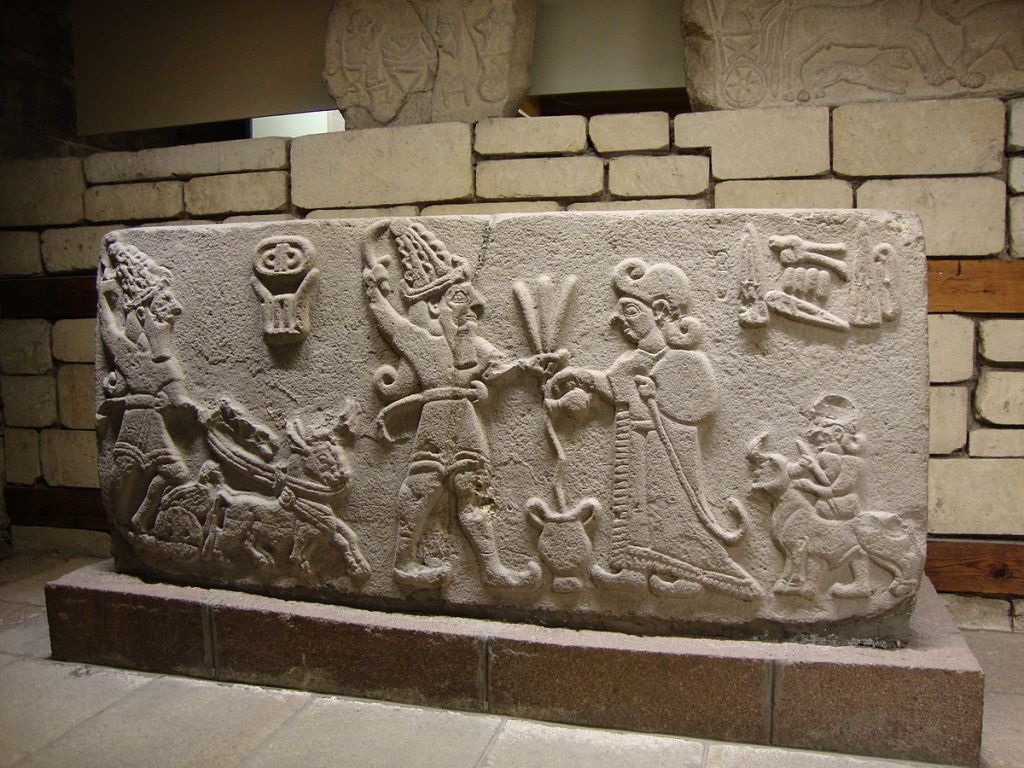
Etymologically speaking, in English, to talk is to tell a tale, and indeed history talks with us in large part through the telling of myths, sagas and other epic tales. Such tales were typically composed and narrated by talented poets, bards, skalds and similar figures in the history of Indo-European literature.
Got any book recommendations?
 Desire To Think