Category: Uncategorized
-
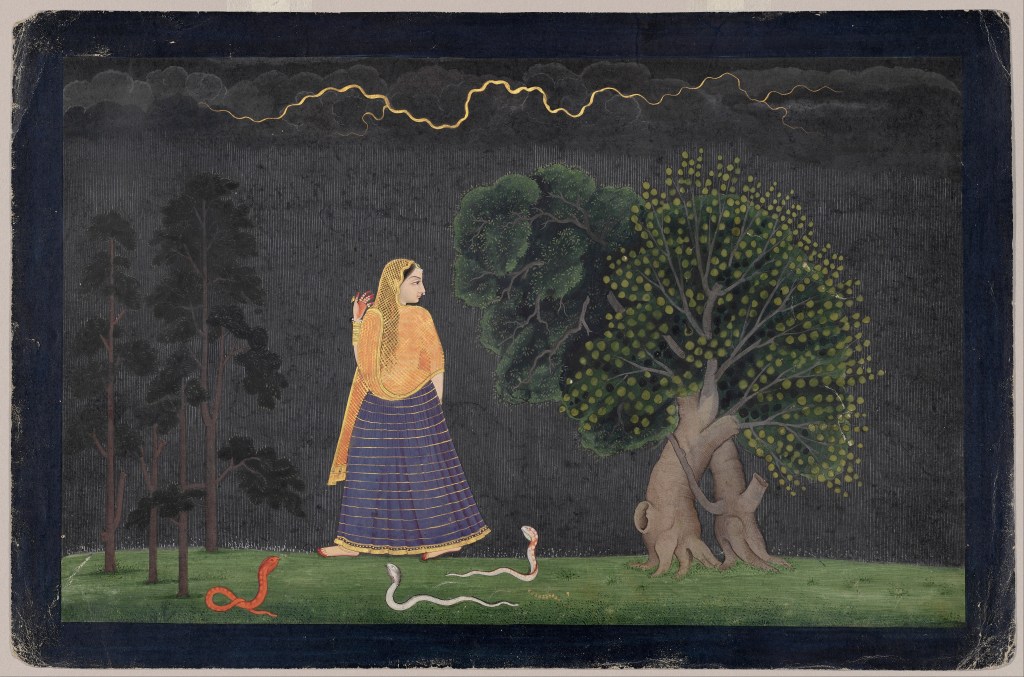
Trysts by night in art and poetry
The painting above, by one of the great Indian artists of the late eighteenth century, Nainsukh, depicts such a scene. Our paramour sneaks away from her home by night to a spot in the forest where she has arranged to meet her lover during the night, and she must be back before anyone awakes and…
-
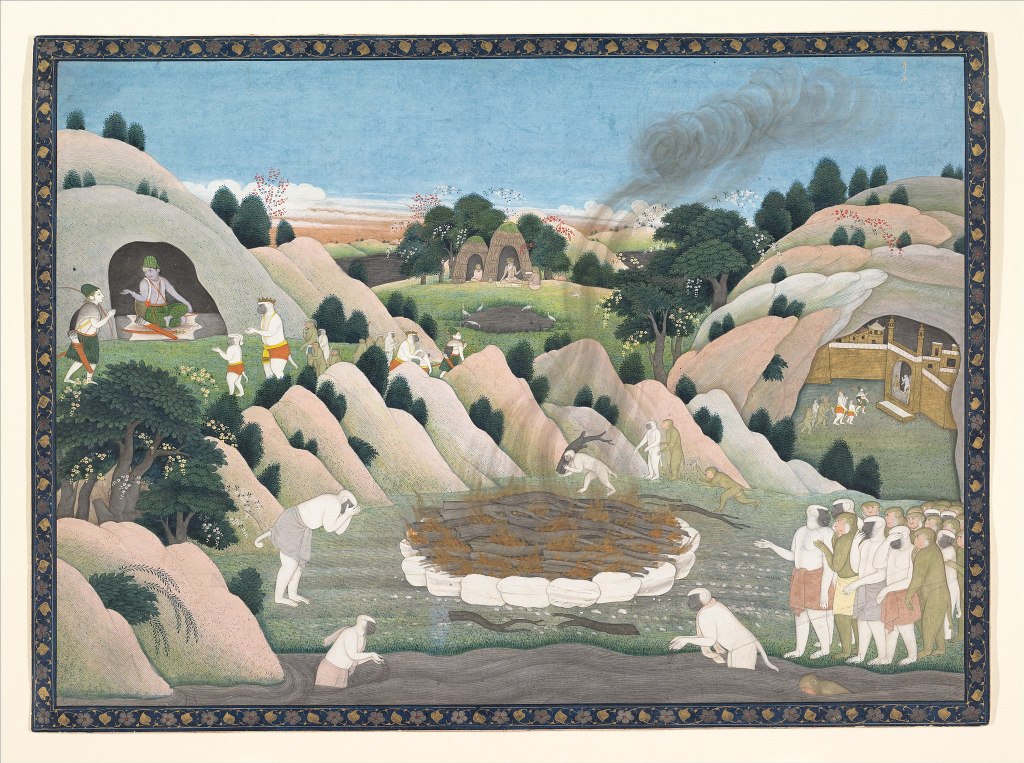
Love, death and Sanskrit literature
In romantic literature across the world, we frequently read about lovers who would die rather than be apart. In the story of Pyramus and Thisbe, Pyramus kills himself, believing Thisbe to be dead. When Thisbe finds the dead body of Pyramus, she also kills herself. Romeo and Juliet, based on this story, and many other…
-

On craft-worker gods and heroes
For ancient as well as modern people, God has been conceived of in a bewildering variety of ways. At one extreme, we see a wholly abstract and ineffable power, such as the Advaitic conception of Brahman, and on the other hand, we find an anthropomorphic god such as Krishna in the Mahābhārata, who is faced…
-

T.S. Eliot, the Vedas and the Concept of Time
The concept of time seems to have been a preoccupation for many leading figures of this generation across a variety of fields, stimulated perhaps in part by the linking of hitherto distant regions through railway and telegraphy during the nineteenth century, and likely also by the impact of Einstein’s work. Such figures might include Henri…
-

On the vision of God
A pivotal point in many sacred narratives is the encounter between the human and the divine, often in terms of a theophany, that is, a visible manifestation of a deity. Early in the Book of Exodus, we read about Moses’ first encounter with God in the burning bush.
-

Devī and the Buffalo Demon – Part Two
In the first part of the story, we saw how the buffalo-demon Mahiśāsura behaved in an extremely arrogant and conceited way due to the boon granted by Brahma that he could not be killed by any male god, demon or human, thinking himself invincible because of this. He made fun of the idea that any…
-

The Buffalo Demon – Part One
Another interesting story concerns the buffalo demon Mahiśāsura who was granted a boon that he would not be killed by man or by gods. This story is told in the Devī Māhātmya, from which I will draw below, as well as in the Devī Bhāgavatam, and in many other literary texts and folk stories too.
-
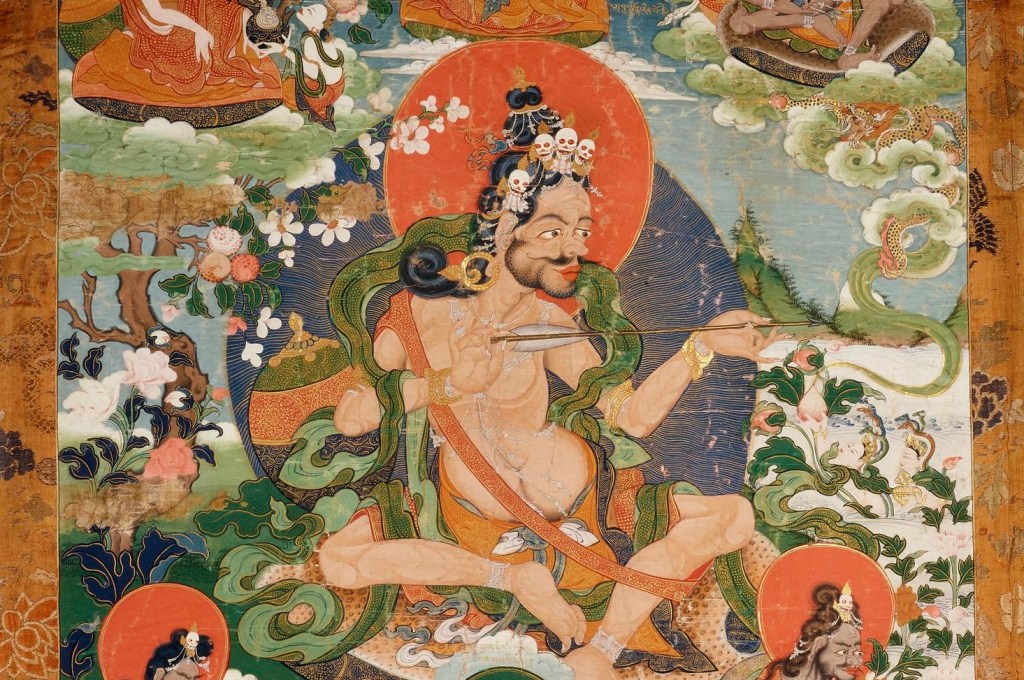
Tantra at the British Museum
A short review of the exhibition ‘Tantra: enlightenment to revolution’ which is currently on at the British Museum.
-

Emotions and Indian sculpture
The American-British sculptor Jacob Epstein was a good friend of Ananda Coomaraswamy, who had some significant influence on him. The sculptures depicted above on the façade of (what is now) Zimbabwe House in London were designed by Epstein to represent a form of modernism which took influence from Indian classical sculptural traditions.
-
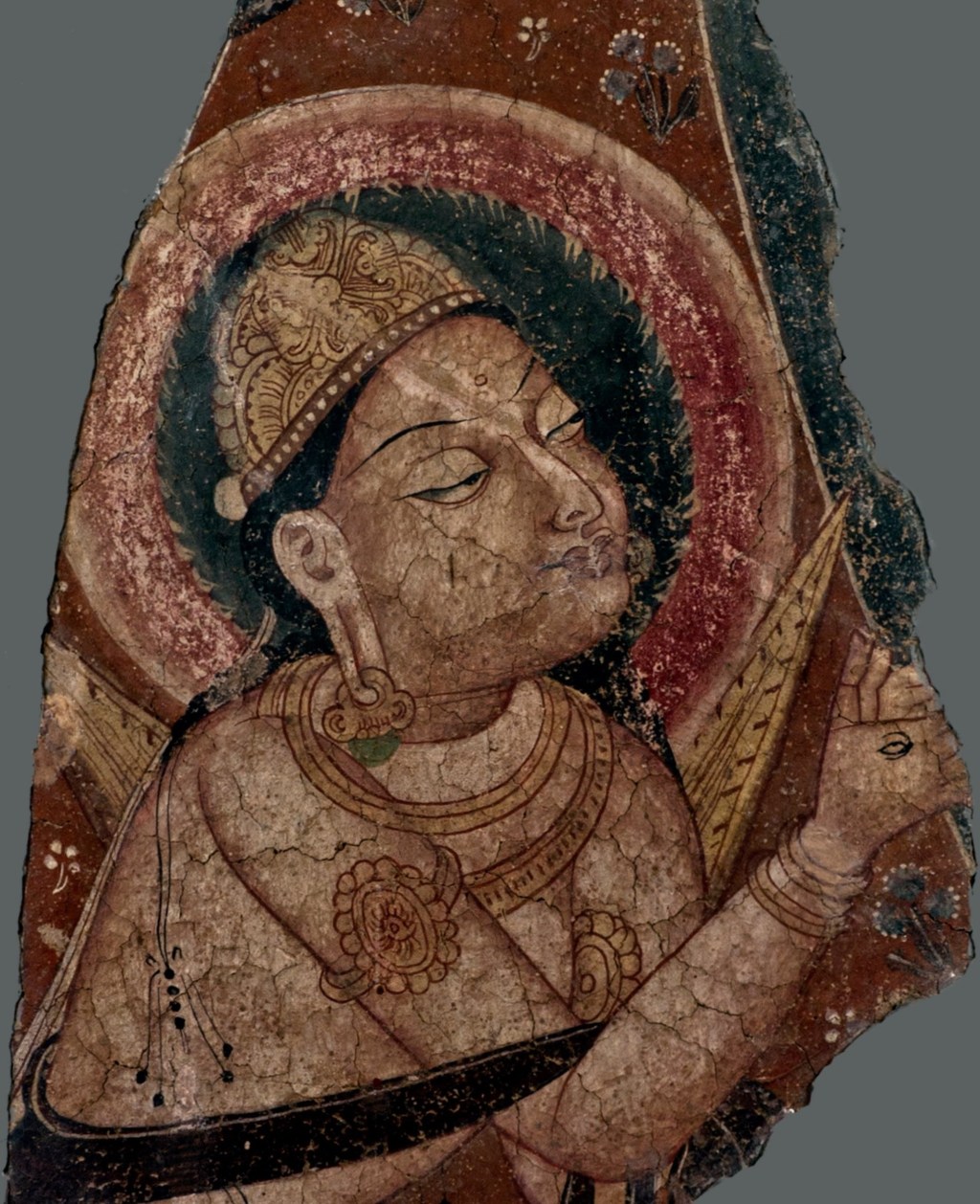
Indra and Namuci
The well-known story of Indra and Namuci has been told and retold since Vedic time up until the present day.
 Desire To Think